
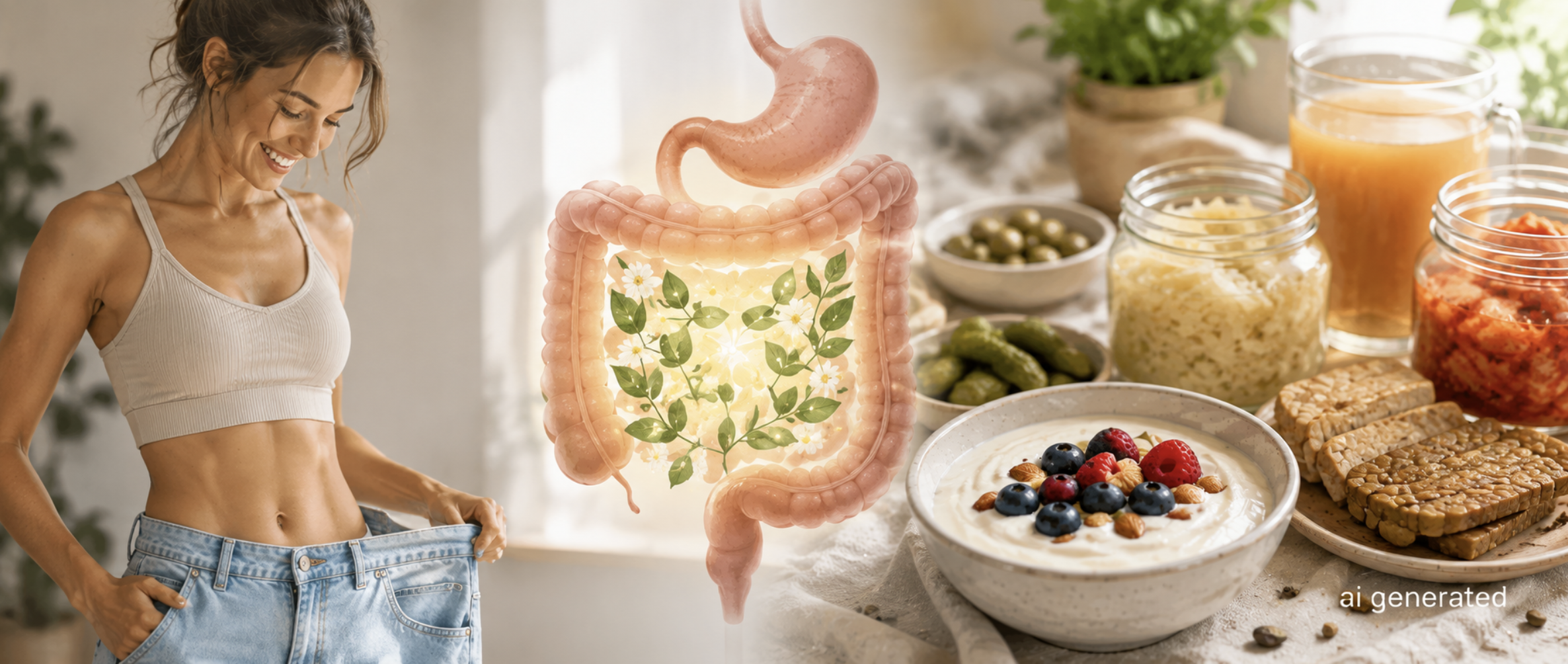
For a long time, I believed that losing weight was mostly about eating less, exercising more, and having enough discipline to stick with it. I tried different approaches, paid attention to calories, attempted to make healthier choices, and often felt frustrated when I couldn’t maintain those habits for very long. Whenever I fell back into old patterns, I assumed that I simply lacked discipline. What I didn’t pay nearly enough attention to was how I actually felt. I often felt bloated and uncomfortable after eating, my digestion wasn’t great, my energy levels were inconsistent, and I regularly found myself dealing with cravings or reaching for food even when I wasn’t truly hungry.
At some point, I realized that I didn’t want to spend the rest of my life jumping from one diet to another. I wanted to understand my body better and find a way of eating that I could realistically maintain. That was when I started learning more about gut health and gradually changed the way I looked at food. Instead of constantly asking myself how I could eat less, I started thinking about what I could add to my meals to make them more nourishing, filling, and supportive of my overall health.
That change in mindset became the beginning of a much bigger transformation. I started eating more whole foods, vegetables, fruit, fiber-rich foods, and protein. I reduced the amount of highly processed food I was eating without completely banning anything, and I began paying much closer attention to how different foods affected my digestion, hunger, energy, and cravings. These changes didn’t happen overnight, and there was no single miracle ingredient involved. But over time, my new habits became part of my normal life, and eventually I lost 30 pounds.
I want to be clear that I don’t believe improving my gut health magically caused me to lose 30 pounds. Weight loss is much more complicated than eating a few “gut-friendly” foods, and there are many factors involved. For me, focusing on gut health was valuable because it encouraged me to improve my overall diet and develop habits that naturally made managing my weight easier. It changed my relationship with food and helped me move away from the constant cycle of restriction, cravings, overeating, guilt, and starting over.
What Gut Health Meant to Me

Before I started paying attention to my gut, I associated gut health almost entirely with digestion. I thought that if you didn’t have obvious digestive problems, there probably wasn’t much to think about. As I learned more, I realized that our gastrointestinal system is home to trillions of microorganisms collectively known as the gut microbiome. Diet, particularly the amount and variety of plant foods and fiber we consume, can influence this microbial community.
I also quickly realized that the internet can make gut health sound far more complicated than it needs to be. There are endless supplements, powders, detoxes, juices, cleanses, probiotics, and expensive products promising to “heal your gut.” I didn’t want another complicated routine, so I focused on the basics instead. My goal became eating a greater variety of nutritious foods, getting enough fiber and protein, drinking enough water, and reducing my reliance on ultra-processed foods.
I Started Eating Much More Fiber

One of the biggest changes I made was increasing the amount of fiber in my diet. Instead of thinking about all the foods I was supposedly not allowed to eat, I concentrated on adding more vegetables, fruits, oats, beans, lentils, seeds, and whole grains to my meals. This was a surprisingly powerful shift because it made healthy eating feel much less restrictive.
Breakfast, for example, might be oatmeal topped with berries and chia seeds or Greek yogurt with fruit. Lunch could be a large salad with vegetables, beans, chicken, eggs, or another protein source. For dinner, I would try to include plenty of vegetables alongside protein and something like potatoes or rice. These weren’t complicated “diet meals.” They were simply more balanced versions of foods I could realistically eat regularly.
Fiber-rich foods also helped make my meals more satisfying. Instead of eating something small because I thought that was what dieting was supposed to look like and then becoming hungry again shortly afterward, I began eating meals that actually kept me satisfied. This made it much easier to reduce mindless snacking throughout the day.
I Stopped Treating Carbohydrates Like the Enemy
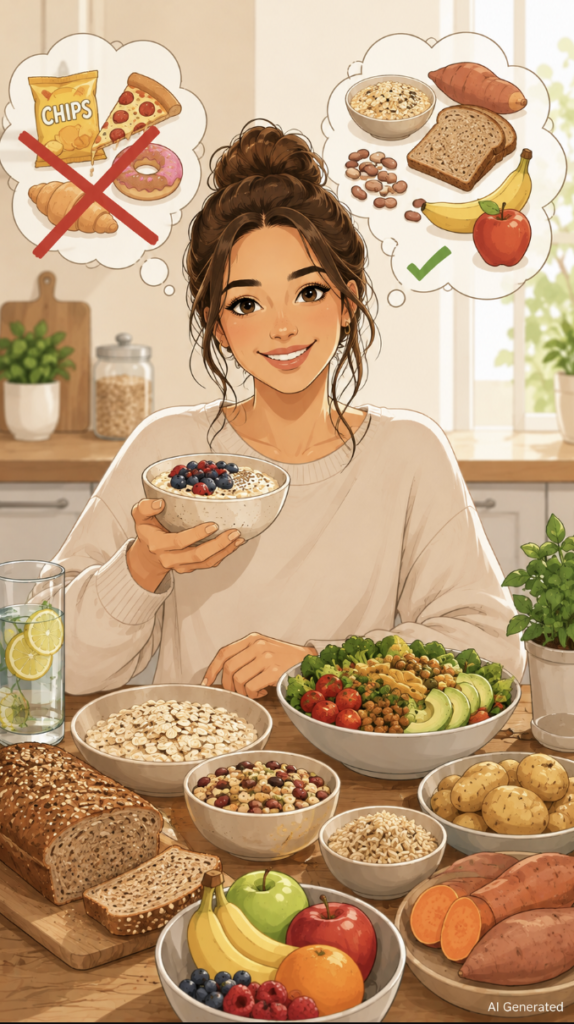
Another important change was letting go of my fear of carbohydrates. Like many people trying to lose weight, I had absorbed the idea that carbs were automatically bad and that avoiding them would make weight loss easier. Eventually, I realized that treating every carbohydrate-containing food as if it were nutritionally identical didn’t make much sense.
Fruit, oats, beans, potatoes, and whole grains contain carbohydrates, but they can also provide fiber, vitamins, minerals, and other nutrients. Instead of trying to eliminate carbohydrates entirely, I started paying more attention to the type of carbohydrate I was eating and what I was eating alongside it. A bowl of oatmeal with berries, for example, felt completely different in my body than grabbing several highly processed snacks because I was starving.
Once I stopped trying to remove entire food groups from my diet, eating well became much easier. I no longer felt as though I was constantly “on a diet,” and that was incredibly important because I wanted my new habits to last longer than a few weeks.
Protein Became a Priority
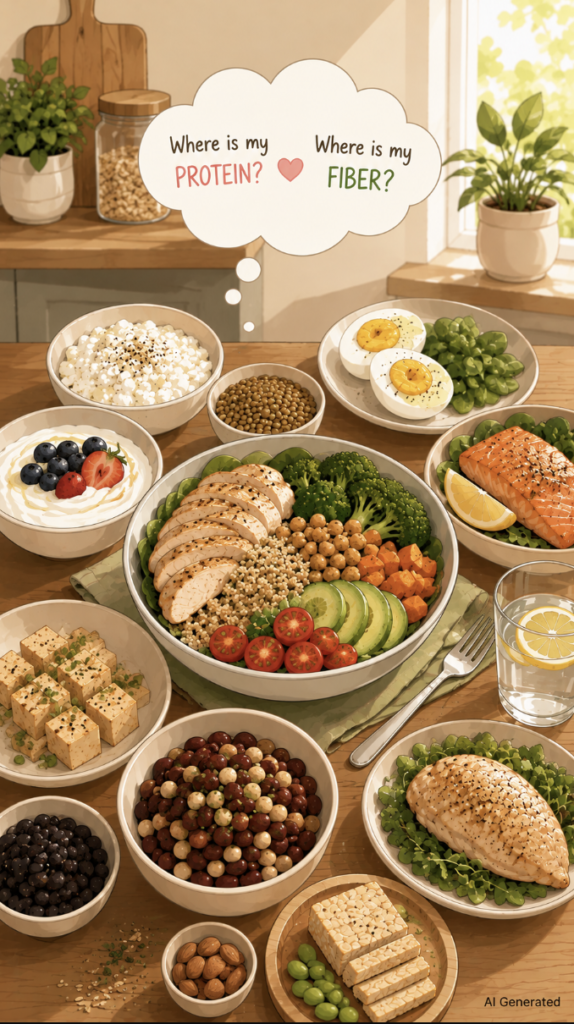
At the same time, I started making protein a more intentional part of my meals. Rather than randomly putting together whatever was convenient, I began looking at my plate and asking two simple questions: Where is my protein, and where is my fiber?
Depending on the meal, my protein might come from eggs, Greek yogurt, cottage cheese, chicken, fish, beans, lentils, tofu, or another source I enjoyed. Combining protein with fiber-rich foods helped create meals that felt much more satisfying, which meant I wasn’t constantly thinking about my next snack. Getting enough protein was also something I wanted to prioritize while losing weight because maintaining muscle mass mattered to me just as much as seeing a smaller number on the scale.
I Experimented With Fermented Foods

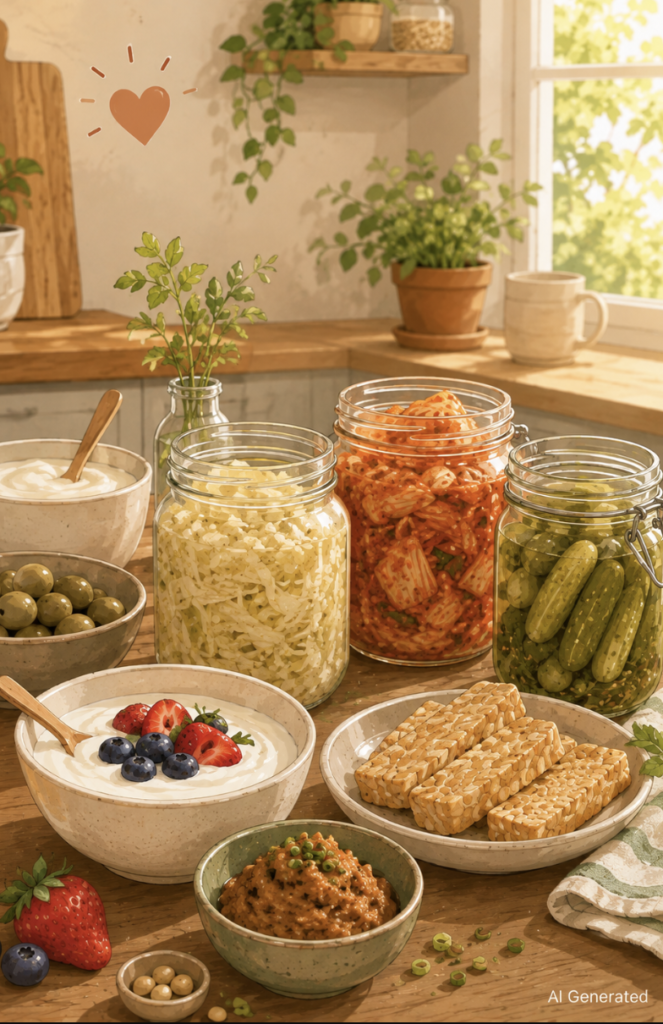
As I learned more about gut health, I also became interested in fermented foods. I didn’t suddenly start forcing myself to eat foods I disliked or fill my kitchen with expensive gut-health products. Instead, I gradually incorporated simple fermented foods that fit naturally into my diet, such as yogurt.
This was also where I learned an important lesson: improving your diet doesn’t have to be complicated or expensive. Social media can make wellness feel as though you need a cupboard full of supplements and specialty products before you’re allowed to call your lifestyle healthy. My experience was almost the opposite. The biggest improvements came from ordinary foods: more vegetables, more fruit, more fiber, enough protein, more variety, and fewer highly processed foods.
I Reduced Processed Foods Without Completely Restricting Them
One thing I deliberately avoided was creating another list of forbidden foods. I had tried the all-or-nothing approach before, and it never worked for me long term. If I told myself I could never have chocolate, dessert, pizza, or another food I enjoyed again, eventually that restriction would become exhausting.
Instead, I focused on making nutritious foods the foundation of my diet while still leaving room for foods I ate simply because I enjoyed them. I could have dessert. I could eat something less nutritious when we were celebrating. If we had a busy day and dinner wasn’t perfectly balanced, nothing terrible had happened. I didn’t need to punish myself the following day or start another diet on Monday.
That flexibility was one of the reasons I was finally able to remain consistent. When most of my meals were satisfying and based around nutritious ingredients, enjoying something sweet occasionally didn’t feel like losing control. Food stopped being divided into “good” and “bad,” and I stopped treating every imperfect meal as a failure.
I Became More Aware of Why I Was Eating
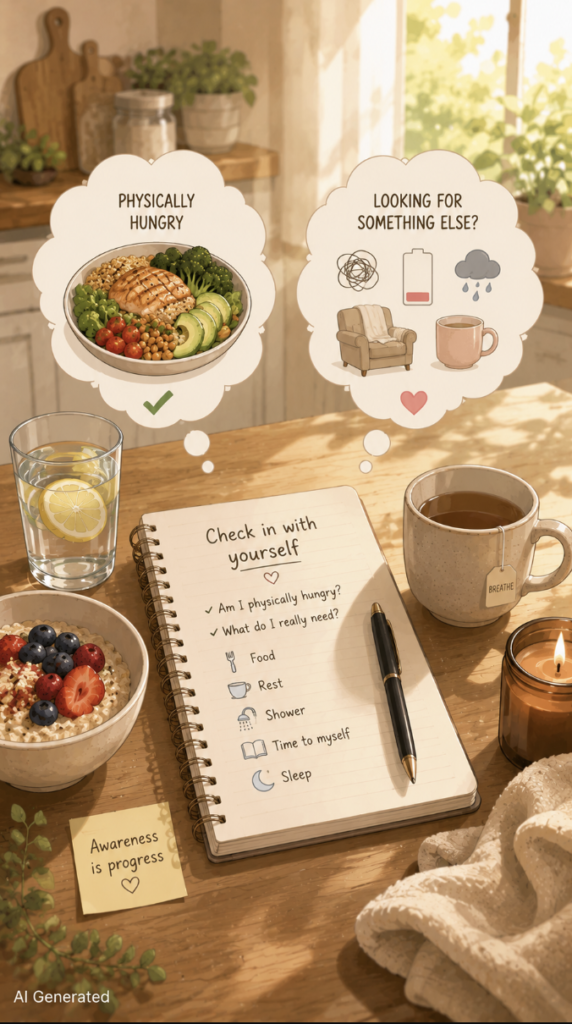
Changing my eating habits also forced me to look at something I had previously ignored: I wasn’t always eating because I was physically hungry. Sometimes I was tired, stressed, overwhelmed, bored, or simply looking forward to having something enjoyable after a long day.
As a mom, this became particularly obvious in the evenings. After spending so much of the day taking care of everyone else, food could easily become a little reward once everything finally became quiet. There is nothing inherently wrong with eating something for pleasure, but I wanted to become more aware of when I was genuinely hungry and when I was actually looking for comfort, rest, or a moment to myself.
I gradually became better at recognizing that difference. Sometimes I was hungry and needed to eat. Other times I realized I was simply exhausted and would feel better after sitting down, having some tea, taking a shower, or getting to bed earlier. I certainly didn’t become perfect at this, but the awareness itself changed a lot.
I Made Hydration Part of My Routine
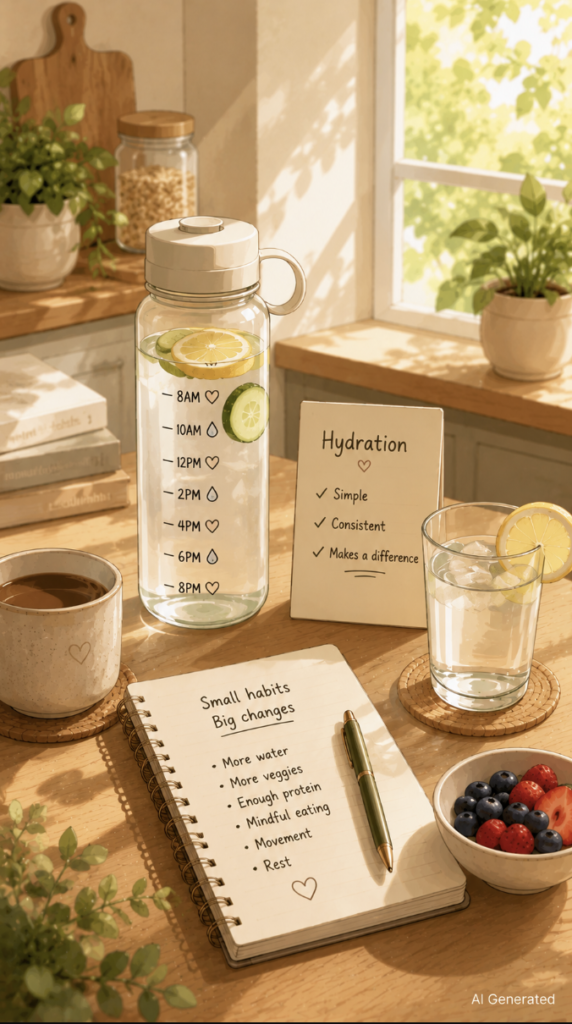
Drinking more water was another very simple habit that helped improve my overall routine. I had no problem remembering coffee, but water was another story. Instead of creating an elaborate hydration schedule, I simply started keeping water somewhere visible and drinking regularly throughout the day.
There was no special detox water or fat-burning drink involved. I was simply better hydrated, and making water my default beverage also meant that I naturally drank fewer calorie-containing drinks. It was a small habit, but combined with everything else, small habits started adding up.
I Stopped Trying to Lose Weight as Quickly as Possible

Perhaps the biggest transformation happened when I stopped asking myself, “How quickly can I lose this weight?” and started asking, “Could I realistically continue living like this a year from now?”
That question completely changed the decisions I made. A very restrictive diet might produce quick results, but if I already knew I couldn’t imagine eating that way six months later, what was the point? I didn’t want to lose weight only to return to exactly the same habits afterward. I wanted to create a lifestyle that could survive birthdays, holidays, vacations, stressful weeks, sick children, busy days, and all the unpredictable things that come with normal family life.
That meant accepting that consistency would never look like perfection. Some days were great. Other days weren’t. Sometimes I ate more than I planned. Sometimes I had dessert. Sometimes I didn’t exercise. Instead of interpreting those moments as proof that I had failed, I learned to simply continue with my normal habits afterward. One meal didn’t ruin anything, just as one healthy meal couldn’t transform everything.
So, Did Improving My Gut Health Really Help Me Lose 30 pounds?
Yes, but probably not in the way many dramatic social-media posts would make it sound.
I didn’t lose 30 pounds because I discovered a special probiotic, drank a certain juice every morning, or ate one magical “fat-burning” food. Weight loss occurs through a much broader combination of factors, including overall energy intake and expenditure, and individual results can vary considerably.
What focusing on gut health did was give me a healthier framework for changing the way I ate. Instead of trying to survive on as little food as possible, I started building meals around foods that were nutritious and satisfying. I consumed more fiber and protein, ate a greater variety of plant foods, relied less heavily on ultra-processed foods, became more aware of emotional eating, and stopped drinking as many calories.
Those changes made it easier for me to naturally manage how much I was eating without constantly feeling as though I was depriving myself. Over time, my weight gradually decreased until I had lost 30 pounds. The number itself was exciting, of course, but what mattered even more was that I wasn’t desperate to return to my old way of eating once I reached it.
The Biggest Change Wasn’t Actually My Weight
Looking back, the physical transformation is only one part of the story. Yes, my clothes fit differently, I could see changes in the mirror, and losing 30 pounds felt like a significant achievement. But the biggest difference was how much calmer my relationship with food became.
I wasn’t waking up every Monday promising myself that this would finally be the week when I ate perfectly. I didn’t feel like one piece of cake had destroyed all my progress. I didn’t constantly need to search for the next diet, detox, or quick fix.
Instead, I had habits I understood. I knew how to put together meals that kept me satisfied. I knew that I could enjoy something simply because it tasted good and then return to my normal routine afterward. Most importantly, I understood that taking care of my health wasn’t something I needed to do perfectly to benefit from it.
If I Were Starting Again, I Would Keep It Simple
If I had to start my journey again today, I wouldn’t try to completely transform my diet overnight. I would choose a few simple things and focus on repeating them consistently. I would add more vegetables and fruit to the foods I already eat, make sure my meals contain a source of protein, gradually increase fiber, drink more water, and find a few nutritious meals that I genuinely enjoy enough to eat regularly.
Once those things felt normal, I would build from there. I wouldn’t spend hundreds of dollars on supplements, and I wouldn’t try to follow every gut-health trend I saw online. Most importantly, I wouldn’t expect myself to be perfect.
The habits that ultimately changed my body were not the extreme things I could force myself to do for two weeks. They were the ordinary things I could continue doing for months and eventually years.
If you’re at the beginning of your own journey and you’re not sure where to start, I created my Comfortable Gut Health Guide to make that first step feel much easier. It’s completely free and designed as a simple, beginner-friendly starting point for anyone who wants to make small but meaningful changes to their everyday life without feeling overwhelmed.
Inside the guide, you’ll find easy tips to help you support your gut health, simple ideas you can actually use in daily life, and free recipes to help you get started without making everything complicated. Think of it as a gentle first step — a practical guide you can use to begin making healthier choices at your own pace.
You don’t need to change everything at once. Sometimes, one simple recipe, one better meal, or one new habit is enough to start moving in a different direction.
If you’re ready to begin, you can download my Comfortable Gut Health Guide for free and start with the basics.
Leave a Reply