
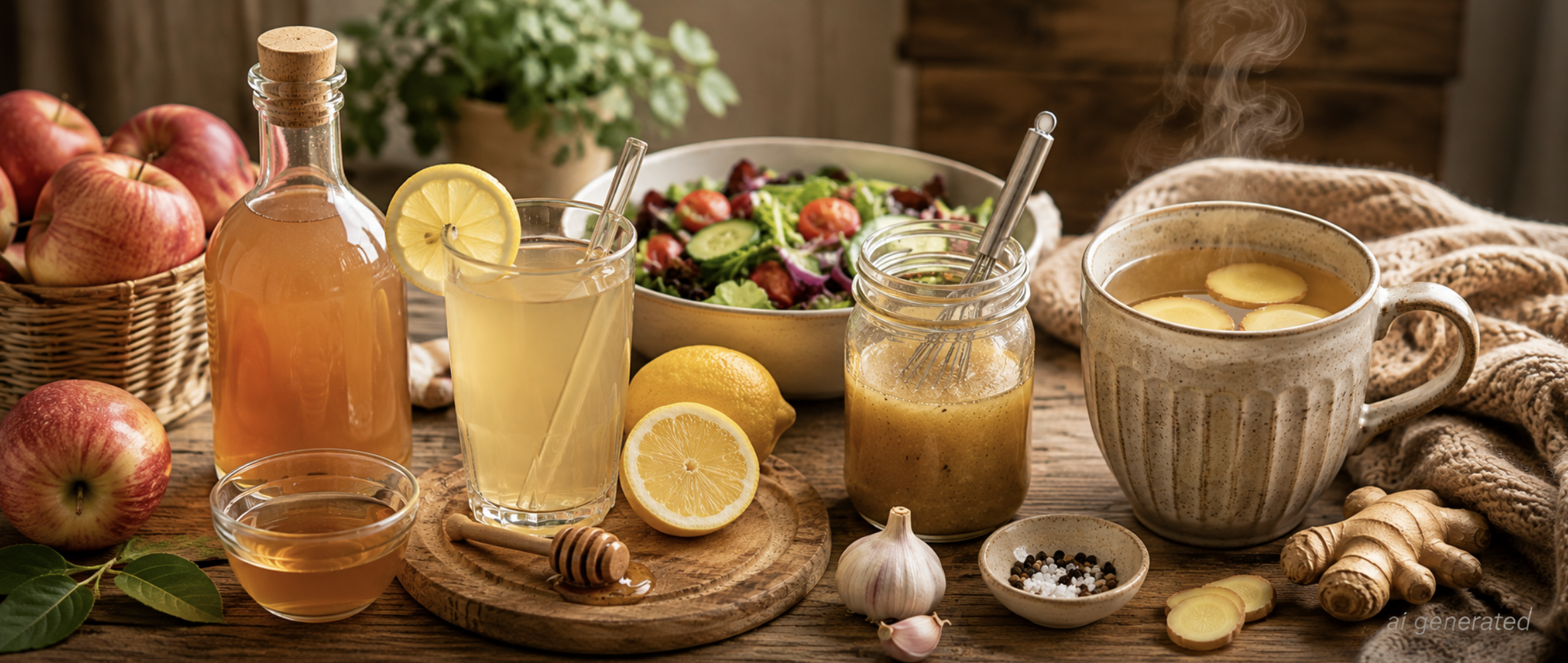
I have a confession: for a solid few months, I was one of those people chugging a shot of apple cider vinegar straight from the bottle every morning, convinced it was some kind of secret weapon for my gut. I’d seen it mentioned everywhere — TikTok, wellness blogs, that one coworker who swore it “changed her life.” So I bought a big bottle, and I started drinking it like medicine.
It took me embarrassingly long to actually stop and ask myself, wait, what does this stuff actually do? And also, why does my throat feel like it’s on fire every morning?
So I did what I always do when I get curious about something in the gut health world — I slowed down and actually looked into it properly. What I found was a lot more nuanced than the “drink this and fix everything” version I’d been sold.
What Apple Cider Vinegar Actually Is
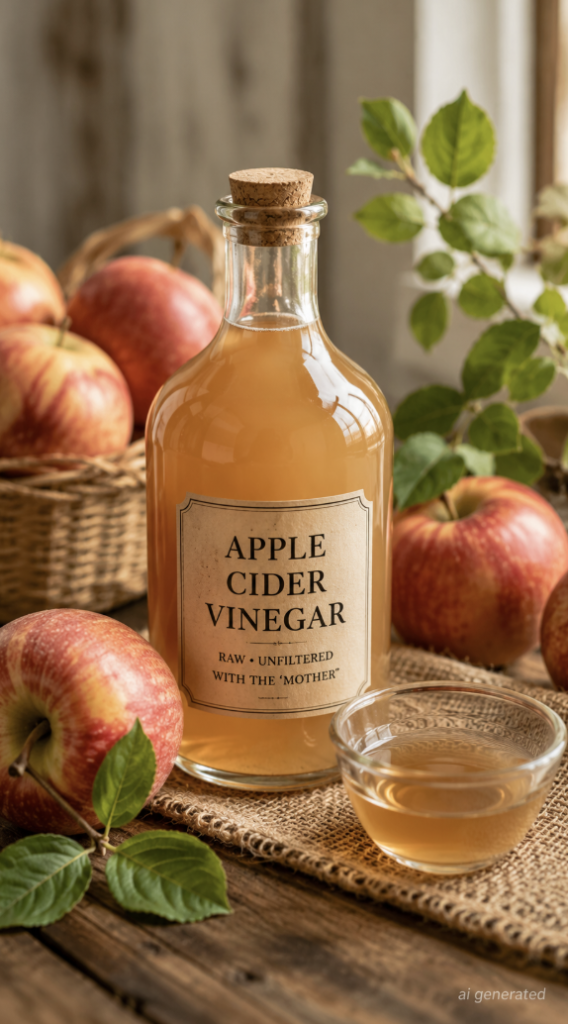
Apple cider vinegar (ACV) is made by fermenting crushed apples, first into alcohol, then further into acetic acid, which is what gives vinegar its sharp, sour taste. Unfiltered, unpasteurized versions often contain something called “the mother” — a cloudy, cobweb-like substance made of proteins, enzymes, and bacteria left over from fermentation.
That fermentation process is part of why ACV gets lumped into gut health conversations, since fermented foods in general are often associated with live cultures and digestive wellness. But it’s worth being clear here: ACV isn’t in the same category as yogurt, kefir, or sauerkraut when it comes to live bacterial content, and I think that’s where a lot of the online hype gets a little misleading.
What I Learned About the Actual Evidence
This was the part that surprised me the most. A lot of the big claims floating around, that ACV “detoxes” your gut, “kills bad bacteria,” or “resets” your digestion overnight, aren’t really backed by strong evidence. Some smaller studies suggest ACV may have a modest effect on blood sugar levels when taken with a meal, and some people report it helps with feelings of fullness, but the research is still fairly limited and mixed.
What I settled on for myself is treating ACV as a small, occasional addition to a generally balanced diet, not some kind of gut-health fix on its own. That reframe alone made me feel a lot less pressure to force it into my routine every single day.
The Safety Side Nobody Warned Me About
This is the part I really wish someone had told me before I started. Undiluted apple cider vinegar is quite acidic, and drinking it straight can irritate your throat and esophagus, which is exactly what was happening to me during my daily-shot phase. It can also gradually wear down tooth enamel over time if you’re not careful.
Once I learned this, I stopped drinking it straight completely. Diluting it properly, and not overdoing the frequency, made a real difference in how my body actually tolerated it.
Tips and Tricks I Wish I’d Known From the Start
- Always dilute it. A general starting point is 1–2 tablespoons in a large glass of water, never straight.
- Use a straw. This helps minimize direct contact with your teeth, which protects your enamel over time.
- Rinse your mouth with plain water afterward, rather than brushing immediately, since brushing right after something acidic can actually do more harm to enamel that’s already softened.
- Take it with food, not on an empty stomach. I found this made a noticeable difference in how my stomach handled it.
- Start small. I began with just a teaspoon diluted in water rather than jumping straight to a full tablespoon, and I’d genuinely recommend that approach to anyone trying it for the first time.
- Choose unfiltered, “with the mother” versions if you’re specifically curious about that fermentation byproduct, though keep in mind this still isn’t a significant source of live cultures the way fermented dairy or vegetables are.
3 Ways I Actually Use It Now
1. Simple Diluted Morning Drink

This replaced my old straight-shot habit entirely.
Ingredients:
- 1 tablespoon apple cider vinegar
- 1 cup warm water
- 1 teaspoon honey (optional)
- A squeeze of fresh lemon
How to make it: Stir everything together in a glass until combined. I drink this slowly with a straw, alongside breakfast rather than on an empty stomach.
2. ACV Salad Dressing
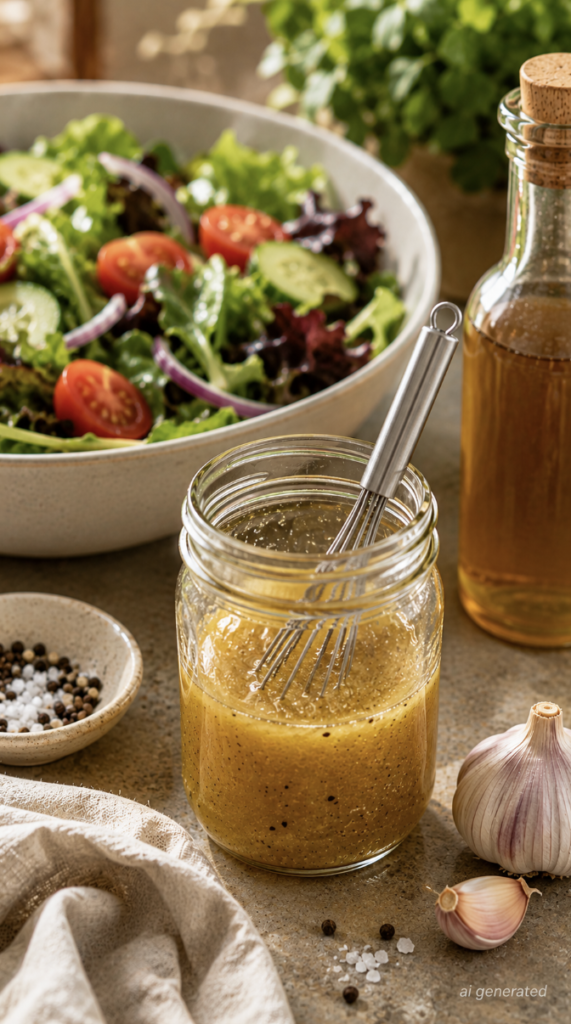
This is genuinely my favorite way to use it, because it doesn’t feel like “taking a supplement” at all, it’s just food.
Ingredients:
- 3 tablespoons olive oil
- 1 tablespoon apple cider vinegar
- 1 teaspoon Dijon mustard
- 1 small garlic clove, minced
- Salt and pepper, to taste
How to make it: Whisk everything together in a small bowl or shake it in a jar with a lid. I use this on pretty much any salad, and it’s become my go-to instead of store-bought dressings.
3. Warm ACV and Ginger Tea

This became my evening version, especially now that it’s getting colder out.
Ingredients:
- 1 tablespoon apple cider vinegar
- 1 cup hot water
- A few thin slices of fresh ginger
- 1 teaspoon honey
How to make it: Steep the ginger in hot water for about 5 minutes, then stir in the apple cider vinegar and honey. I like sipping this slowly in the evening, and it’s become a small, cozy part of my nighttime routine.
What I Actually Think Now
I don’t drink apple cider vinegar every single day anymore, and I definitely don’t treat it like some kind of miracle fix. What changed is that I stopped forcing it into my routine out of fear of “missing out” on some health benefit, and started using it in ways that actually fit naturally into meals I already enjoy, like the salad dressing.
If you’re curious about trying it, I’d say go in with realistic expectations. It’s a reasonable, low-risk addition to a balanced diet for most people, as long as you dilute it and don’t overdo it, but it’s not a replacement for the bigger picture stuff, fiber, varied plants, fermented foods, sleep, and all the other things that actually move the needle over time.
If you want more realistic, no-hype tips like this for supporting your gut health, I put together everything I’ve learned into my free Gut Health Guide. It’s the same kind of practical, honest information I wish I’d had before my very acidic morning ritual.
Leave a Reply