
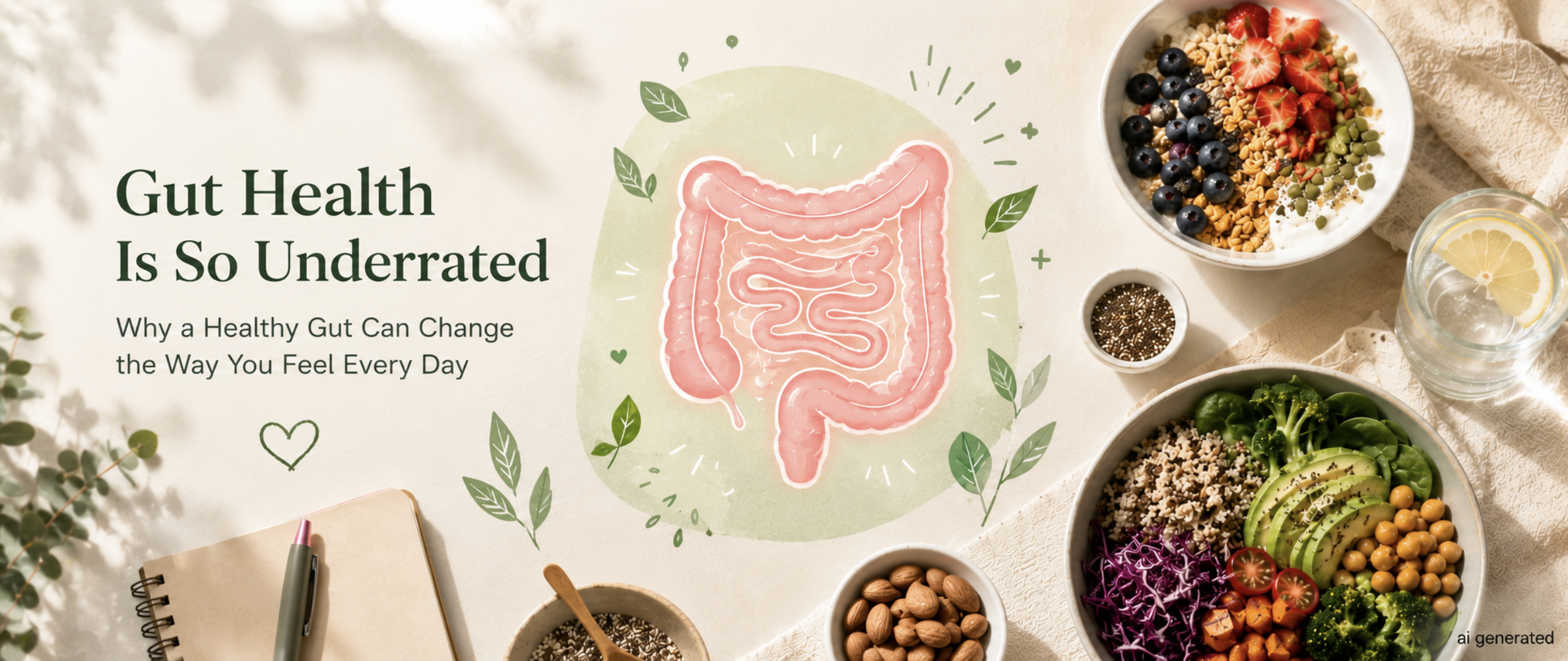
For a long time, I genuinely thought I was already doing most things right when it came to healthy eating. I ate a lot of fruit and vegetables, tried to choose fresh foods whenever possible, and one of the first changes I made was cutting down on highly processed and ready-made foods. In my mind, that was what eating healthy looked like, and to be fair, those habits are still important to me today.
What I didn’t understand at the time was just how much further the whole topic of nutrition goes.
I had heard about gut health before, of course, but I never gave it the attention I give it today. Whenever people talked about becoming healthier or losing weight, the conversation seemed to revolve around diets: eat fewer calories, cut out carbs, stop eating sugar, follow this plan for 30 days, lose as much weight as possible, and then somehow maintain it.
Gut health was rarely part of that conversation.
That changed when my mom and I decided to look into it together. I’m still very young and my mom is in her mid-50s, so we’re obviously at completely different stages of life. That actually made the whole experience much more interesting to me. We decided to start this journey together and really focus on our gut and the foods we were eating, almost as a reset to see how our bodies would respond when we started treating gut health as a priority rather than an afterthought.
I didn’t go into it thinking, I need to lose as much weight as possible. I was much more curious about how my body would feel.
Eight months later, my perspective on health has completely changed.
So, why do I now think gut health is one of the most underrated parts of a healthy lifestyle? These are the five questions I wish I had asked myself much earlier.
1. Isn’t Eating Healthy Already Enough?
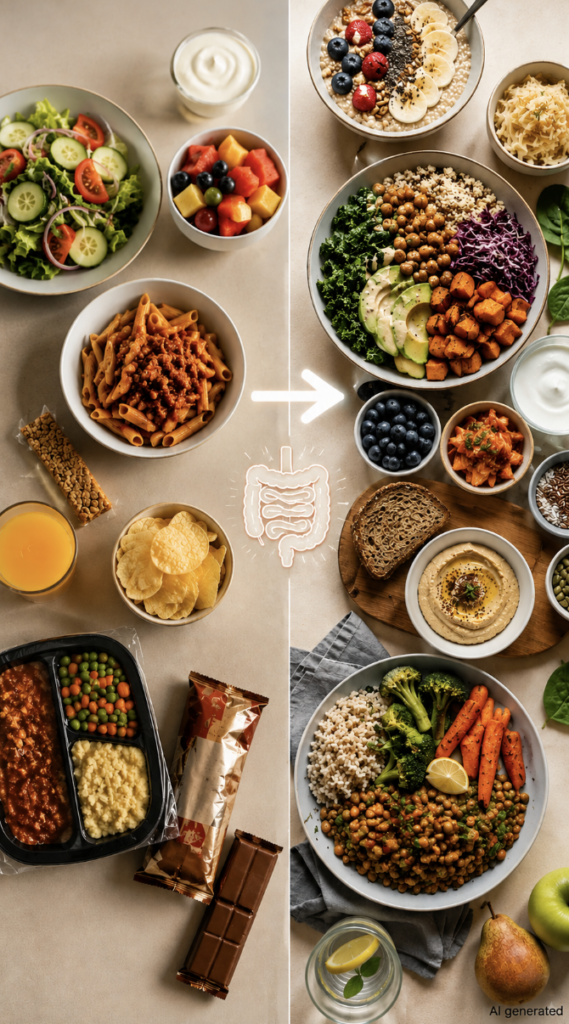
This was probably my biggest misconception in the beginning because I genuinely thought I was eating quite healthily already. I ate plenty of fruit and vegetables, and I had already started paying more attention to ingredient lists and reducing the amount of highly processed convenience foods I was eating.
So when I first started reading more about gut health, part of me wondered how different it could really be.
What I gradually understood was that eating “healthy” isn’t always as simple as dividing foods into good and bad categories. Gut health made me think much more about the overall composition and variety of my diet. Instead of only thinking about whether something looked healthy, I started paying attention to things like fiber, different plant foods, whole grains, legumes, nuts and seeds, and how much variety I was actually getting throughout the week.
That was quite an eye-opener because you can eat fruit and vegetables every day and still eat the exact same five things over and over again.
My approach became much more about variety. I started incorporating more different vegetables and fruits instead of automatically buying the same ones, eating more fiber-rich foods, including whole grains more regularly and finding easy ways to add things like nuts, seeds, beans and lentils to meals I already enjoyed.
I also became interested in fermented foods and started being more conscious of foods such as yogurt with live cultures and other fermented options that worked for me.
None of this meant that I suddenly had to follow a perfect meal plan. That wasn’t what I wanted. I actually wanted the opposite: a way of eating that could become normal enough that I wouldn’t feel like I was permanently “on a diet.”
And that difference became really important later.
2. Why Did My Mom and I Decide to Do This Together?
One of my favorite parts of this whole experience is that I didn’t start it alone.
My mom is in her mid-50s and I’m much younger, so naturally our bodies, routines and needs aren’t identical. But we were both curious about the same thing: What would happen if we stopped treating gut health as a side topic and actually made it a priority?
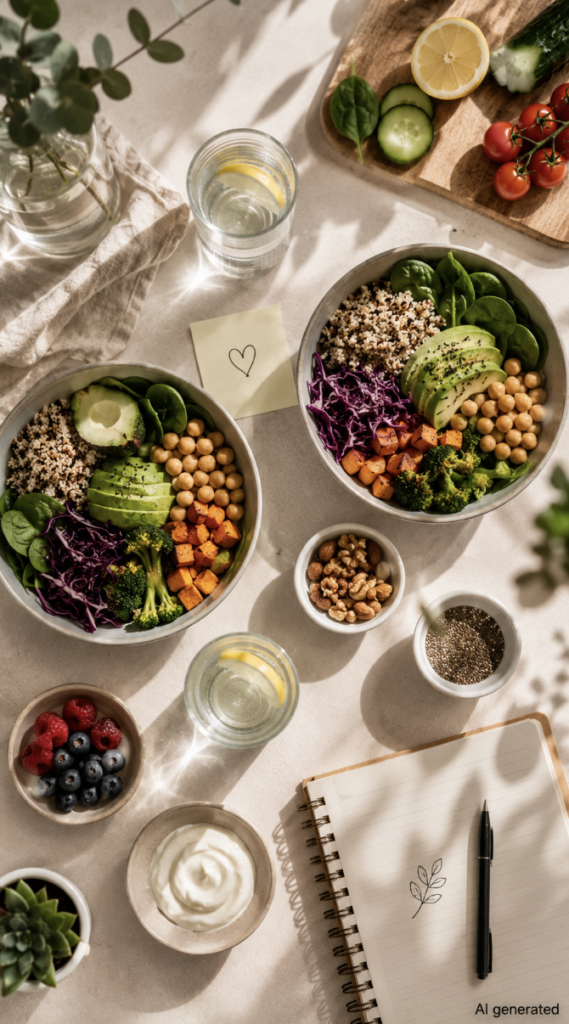
We decided to go on this journey together and give our digestive systems a bit of a reset—not in the sense of some extreme detox or miracle cleanse, but by simplifying what we were eating and becoming much more intentional about the foods we were putting into our bodies.
We focused more on whole and minimally processed foods, gradually increased the variety of fiber-rich foods we were eating, drank enough water and paid much more attention to how individual foods made us feel. Rather than changing everything for a few days and then returning to our old habits, we wanted to see what would happen if we actually stayed consistent.
And doing it together made the process feel completely different.
It wasn’t about competing over who could lose more weight or who could eat the “cleanest.” We were both learning at the same time. We could talk about what we were noticing, try new foods and recipes together and figure out what was realistic for our everyday lives.
That experience also taught me something important: there isn’t necessarily one perfect gut-health routine that everybody needs to follow. What works well for me might not feel exactly the same for my mom, and that’s okay. The point was to become more aware of our bodies instead of blindly following another diet from the internet.
3. What Did I Actually Change in My Everyday Life?
The funny thing is that there wasn’t one magical change.
If you had asked me at the beginning what I expected, I probably would have thought there was going to be some secret gut-health food or complicated routine that I hadn’t discovered yet.
There wasn’t.
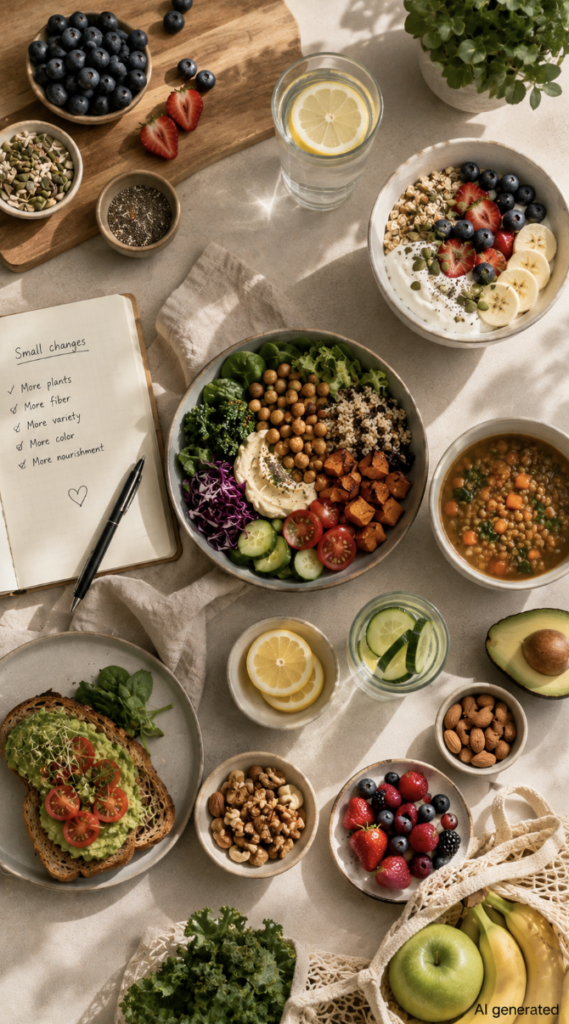
Most of what changed was actually quite simple. I became much more intentional about eating a variety of plant foods and getting enough fiber through foods like vegetables, fruits, whole grains, legumes, nuts and seeds. Instead of building meals around what I thought I should avoid, I started thinking about what I could add to make a meal more nutritious and varied.
I also continued reducing highly processed convenience foods, which was something I had already started doing before this journey. The difference was that I now had a much better idea of what I wanted to replace them with.
Breakfast could contain oats, fruit, seeds and yogurt instead of being something I barely thought about. A normal lunch or dinner could include several different vegetables, a whole grain and a source of protein rather than just being “low calorie.” Beans and lentils became foods I actually wanted to include rather than ingredients I occasionally remembered existed.
I also started paying attention to things outside of the individual foods themselves. Eating slowly, drinking enough water and simply noticing how I felt after different meals became part of the process.
Most importantly, I didn’t want any of these changes to make my life smaller.
I still wanted to go out. I still wanted to enjoy food. I didn’t want to spend every day thinking about what I wasn’t allowed to eat.
Because if becoming “healthy” means feeling restricted every single day, I personally don’t think that’s a lifestyle I would want to maintain for years.
4. What Changed in My Body?
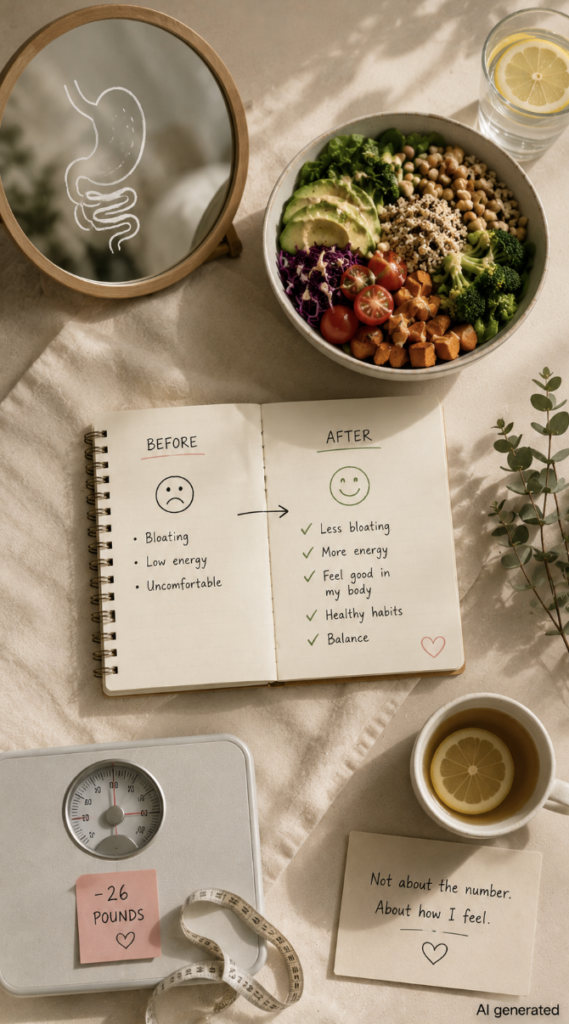
This is where the whole topic became much more real for me.
One of the first things I noticed over time was my bloating. I had become so used to having a bloated stomach that I almost considered it normal. As I changed my habits and became more consistent with the way I was eating, that constant bloated feeling became much less of an issue for me.
But there was another change that I hadn’t made the main goal of this journey.
Over the last eight months, I’ve lost around 26 pounds.
And what matters to me about that number isn’t how quickly it happened. Actually, the opposite is true.
I never wanted this to become another race to lose as much weight as possible in the shortest amount of time. I wasn’t interested in starving myself, cutting out entire food groups or spending eight months feeling like I couldn’t live normally because I was “on a diet.”
I wanted to become healthier while still being able to live my life.
The 26 pounds came off gradually over those eight months while I was changing my overall habits. Of course, weight loss ultimately depends on many factors, including overall energy intake and activity, so I wouldn’t claim that simply “fixing your gut” automatically makes you lose weight. That’s not how I look at my experience.
For me, the bigger change was that I stopped making weight the only measurement of whether I was doing something right.
I cared about how my stomach felt. I cared about whether I felt comfortable after eating. I cared about creating meals that actually satisfied me. And I cared about finding something I could continue doing without constantly feeling restricted.
That was much more valuable to me than losing a certain number of kilograms by a certain date.
5. Why Do I Think Gut Health Is So Underrated Now?
Because after going through this experience, I realized how strange it is that we talk endlessly about dieting but comparatively little about building a way of eating that supports our digestive health.
Open social media and you’ll find thousands of videos about losing weight.
What I eat in a calorie deficit.
How to lose five kilos.
Foods you should never eat.
Foods that “make you fat.”
The new diet everybody is trying.
There’s always another rule.
But I think the conversation around health needs to go deeper than that.
Our gut and its microbiome are connected to digestion and interact with many processes throughout the body, including our immune system. That doesn’t mean gut health is some magical answer to every health problem, and I don’t believe in pretending that it is. But it does mean that our digestive health deserves much more attention than it often gets.
For me personally, learning about gut health changed the way I look at nutrition altogether.
I no longer think the first question should always be, “How can I eat less?”
I’d rather ask, “How can I eat better?”
How can I give my body more variety? How can I eat enough fiber? How can I make whole foods a bigger part of my normal routine without making food stressful? How can I create habits that I can still imagine following a year from now?
That’s why I call gut health underrated.
Not because I believe a “healthy gut” magically solves everything, but because focusing on it helped me move away from the endless diet mentality and toward something that feels much more sustainable.
I started this journey with my mom because we were curious to see how our bodies would respond. Eight months later, I’ve lost around 26 pounds, my bloating has improved significantly, and—more importantly—I’ve found an approach to food that doesn’t make me feel like my life has to revolve around restrictions.
And I think we should talk about that much more.
That’s Exactly Why I Created My Free Gut Health Guide
When I first started looking into gut health, I remember how unnecessarily complicated everything seemed. One person tells you to buy probiotics, another tells you to completely avoid certain foods, and five minutes later someone else is trying to sell you a “gut reset” that supposedly changes your entire life in a week.
I didn’t want to create more of that.
I created my free Gut Health Guide because I wanted to put the information I wish I’d had at the beginning into one simple place. It’s designed for someone who is interested in supporting their gut but doesn’t know where to start and definitely doesn’t want to turn their entire life upside down overnight.
Inside the guide, I explain the basics in a way that’s actually understandable, share the most important tips I’ve learned along the way, and show you small changes that you can start incorporating into your everyday routine straight away. I’ve also included simple beginner-friendly recipes so you don’t finish reading the guide with a head full of information and absolutely no idea what to make for dinner.
Because that’s what this journey taught me more than anything else: you don’t need another extreme diet. You need to understand what you’re doing, why you’re doing it, and how to turn those things into habits that actually fit into your life.
If you’re curious about gut health and want an easy place to begin, you can download my Gut Health Guide completely free and start with the same basics that helped me start my own journey.
No crash diet. No impossible rules. Just a much better understanding of your gut, your food and the small everyday choices that can add up over time.
This article shares my personal experience and is intended for general educational purposes only. Individual experiences with digestion and weight can vary considerably, and gut health is not a treatment or guaranteed method for weight loss. If you experience persistent digestive symptoms or have concerns about your health, speak with a qualified healthcare professional.
Leave a Reply