
I was standing in my kitchen one morning making breakfast, half-listening to a podcast about gut health while I stirred my oatmeal. I’d already spent weeks reading about probiotics, yogurt, fermented foods, and every supplement under the sun. Then the host said the word “prebiotics,” and I froze for a second.
Prebiotics? Weren’t those the same as probiotics? I genuinely thought I’d misheard at first. Gut health seemed to come with a new term every time I thought I’d caught up, and honestly, it was starting to feel a little exhausting.
So I did what I always do when I feel behind — I started reading. And it turned out prebiotics were a lot simpler than I expected.
Here’s the short version: probiotics are live microorganisms found in certain foods, like yogurt or sauerkraut. Prebiotics, on the other hand, are types of fiber and other compounds in food that beneficial gut bacteria can use as fuel. Basically, probiotics are the bacteria, and prebiotics are what help feed the bacteria already living in your gut.
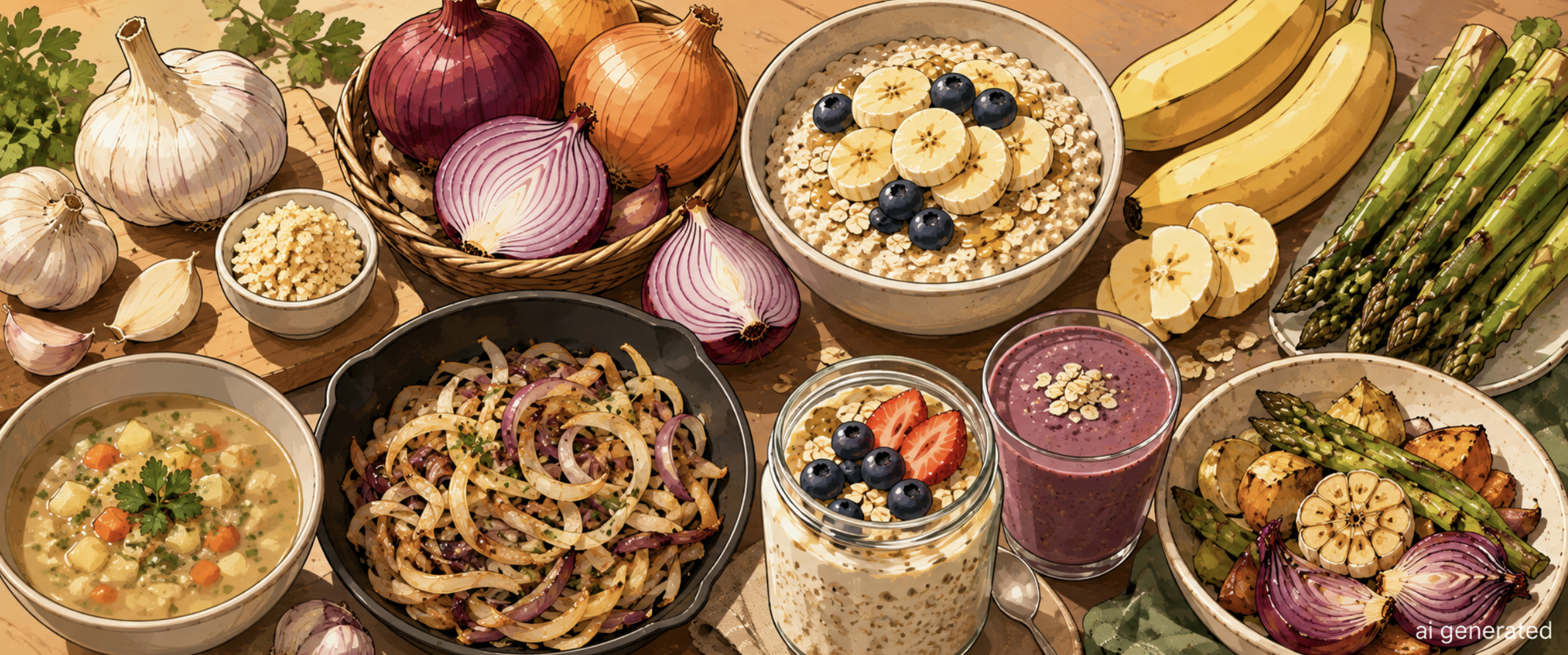
What surprised me most was realizing that many prebiotic foods weren’t exotic or hard to find. They were ordinary foods I already had in my kitchen — garlic, onions, oats, bananas. I didn’t need a new shopping list. I just needed to pay a little more attention to what I was already eating.
So if you’re feeling the same kind of “wait, what’s the difference again?” confusion I had, here are five of the best prebiotic foods for gut health, and simple ways to actually use them.
1. Garlic
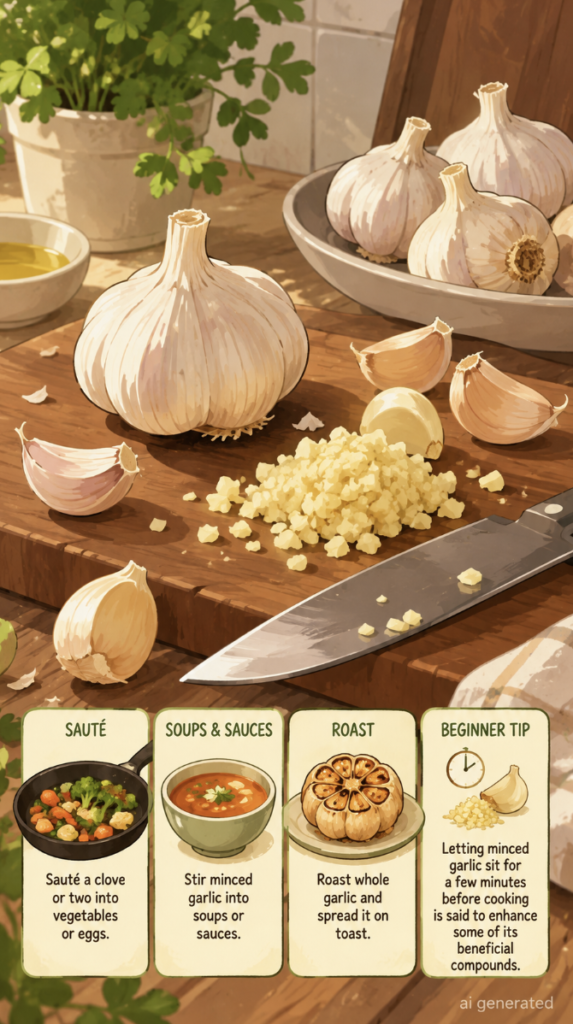
Garlic contains fiber compounds that beneficial gut bacteria can use as fuel, which is part of why it’s often mentioned as a prebiotic food. It’s also one of those ingredients that’s already in most people’s kitchens, which makes it an easy place to start.
I personally add garlic to almost everything I cook — eggs, soups, roasted vegetables. It never feels like a “health habit,” it just tastes good.
Simple ways to add it:
- Sauté a clove or two into vegetables or eggs
- Stir minced garlic into soups or sauces
- Roast whole garlic and spread it on toast
Beginner tip: Letting minced garlic sit for a few minutes before cooking is said to enhance some of its beneficial compounds.
2. Onions
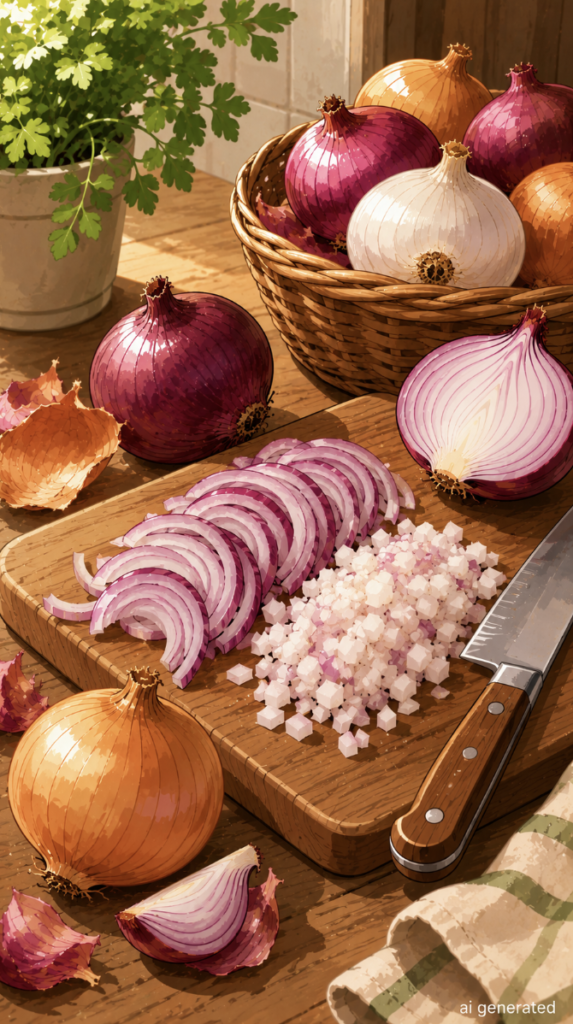
Onions are in the same food family as garlic and offer similar prebiotic fiber. This was probably the easiest one for me because I was already eating it regularly — onions show up in so many everyday meals without much extra effort.
Simple ways to add it:
- Sauté onions as a base for soups, stir-fries, or sauces
- Add raw red onion to salads or sandwiches
- Roast onions alongside other vegetables
Beginner tip: If raw onion is too strong for you, a quick soak in cold water for 10 minutes mellows the flavor.
3. Oats
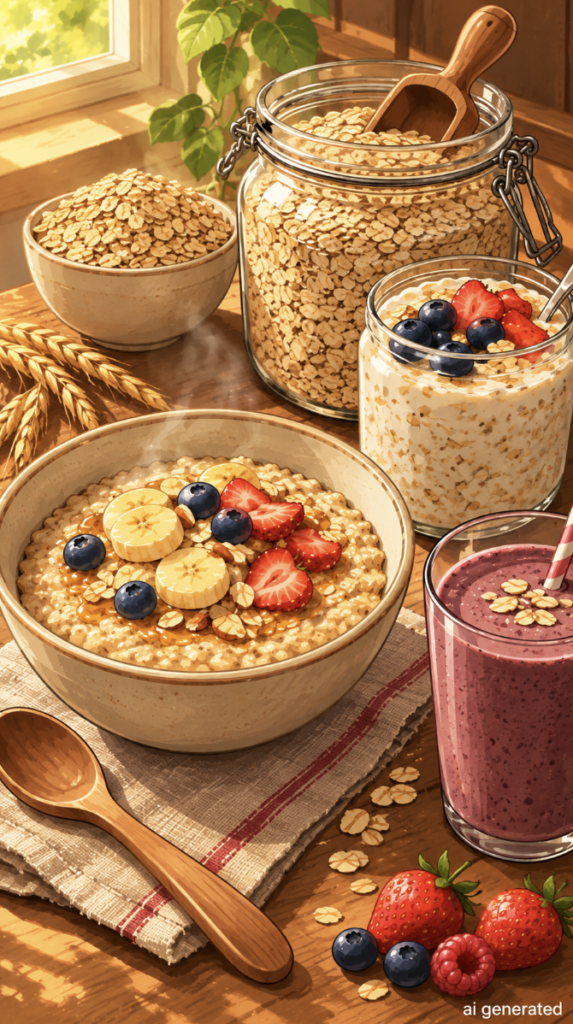
Oats contain a type of fiber that can serve as food for beneficial gut bacteria, which is one reason they’re often recommended as part of a gut-friendly diet. Oats were actually my entry point into all of this — that same bowl of oatmeal from the kitchen story.
I realized I didn’t need to completely change my diet — I just needed to become more intentional with foods I already enjoyed.
Simple ways to add it:
- A basic bowl of oatmeal for breakfast
- Overnight oats with milk or yogurt
- Oats blended into smoothies for extra texture
Beginner tip: Starting with a smaller portion and building up gradually can be more comfortable if you’re not used to eating much fiber.
4. Bananas
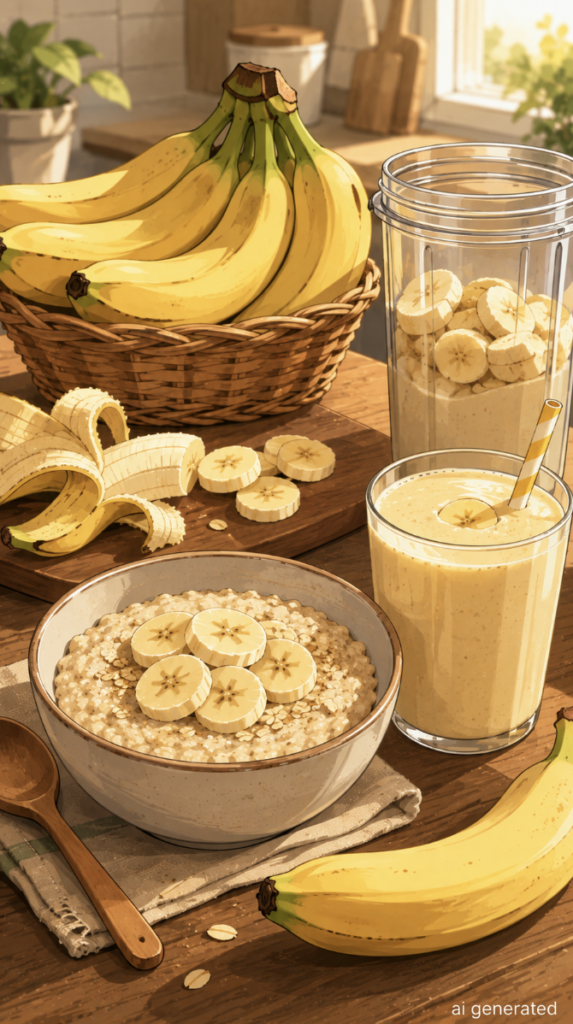
Bananas, especially slightly underripe ones, contain fiber that can act as a prebiotic. As they ripen, the composition changes, but they still offer fiber either way.
Simple ways to add it:
- Sliced on top of oatmeal or yogurt
- Blended into a smoothie
- Eaten on their own as a quick snack
Beginner tip: If a very ripe banana upsets your stomach, try a slightly less ripe one — some people find it easier to tolerate.
5. Asparagus
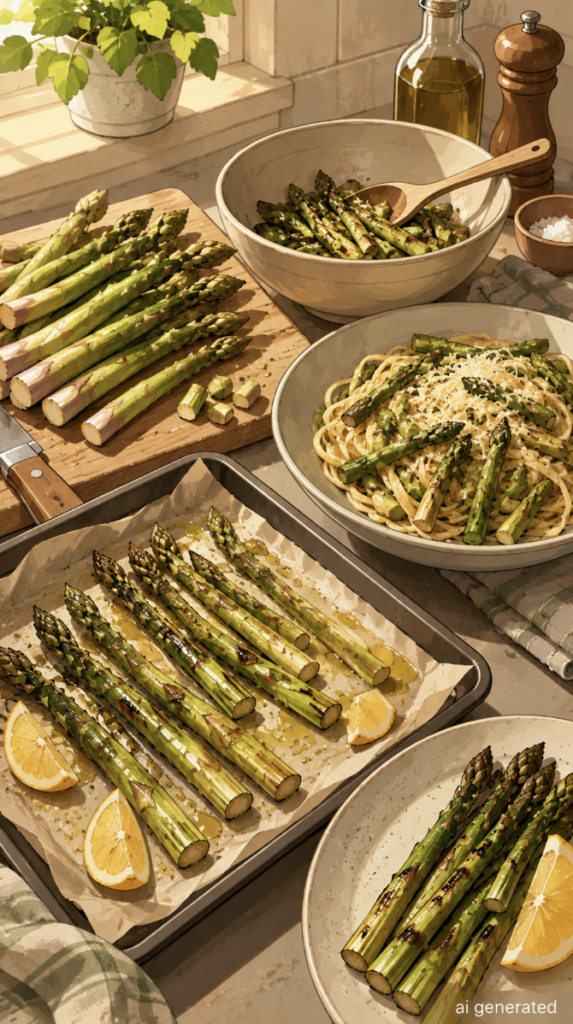
Asparagus is another vegetable that contains prebiotic fiber, and it’s an easy one to work into dinner without much thought.
Simple ways to add it:
- Roasted with olive oil and a pinch of salt
- Sautéed and added to pasta or grain bowls
- Grilled as a simple side dish
Beginner tip: Trimming the tough, woody ends before cooking makes a noticeable difference in texture.
More Prebiotic Foods to Add to Your Diet
- Leeks – Great sautéed into soups or as a milder substitute for onions.
- Apples – An easy snack, especially with the skin left on for extra fiber.
- Barley – Works well as a hearty addition to soups or grain bowls.
- Chicory root – Often found in coffee substitutes or as an added fiber ingredient.
- Jerusalem artichokes – Can be roasted much like potatoes for a similar texture.
- Flaxseeds – Easy to sprinkle over oatmeal, yogurt, or smoothies.
- Legumes – Beans and lentils are simple to add to soups, salads, or grain bowls.
- Dandelion greens – Can be tossed into salads or lightly sautéed like other leafy greens.
- Cocoa – Unsweetened cocoa powder can be stirred into smoothies or oatmeal.
- Slightly underripe bananas – Especially useful if you’re looking for a milder, less sweet option.
Keep It Simple
One thing I’ve learned along the way is that supporting gut health doesn’t require buying a cabinet full of expensive supplements or overhauling your entire diet.
I personally prefer focusing on small changes — adding oats and banana to breakfast, cooking with garlic and onion more often, or adding one more vegetable to dinner. None of it feels drastic, and that’s exactly why it’s been easy to stick with.
It’s also worth knowing that people tolerate fiber differently. If you’re not used to eating much fiber, increasing your intake gradually tends to be more comfortable than making big changes all at once.
My Gut Health Guide
Learning about prebiotic foods made me realize that gut health doesn’t have to feel complicated. Most of the changes I started making were actually very simple — small swaps and additions to meals I was already eating.
If you want more of the practical tips, simple gut-friendly recipes, and everyday habits I’ve collected along the way, I put them together in my Gut Health Guide. It’s not about doing everything perfectly — it’s just a collection of the small, realistic things that have worked for me.
If that sounds helpful, I’d love for you to check it out.
Leave a Reply