
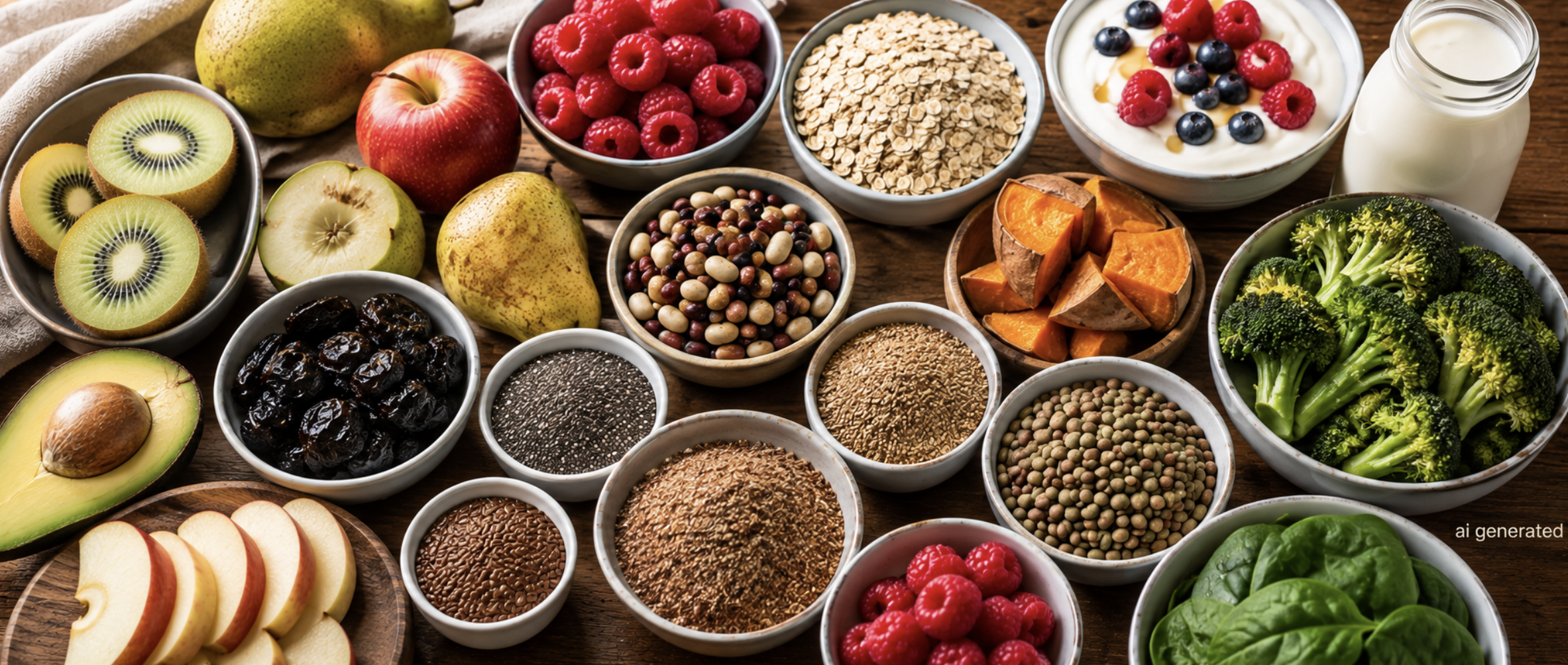
I remember one morning standing in my kitchen making coffee and realizing I couldn’t remember the last time I had actually gone to the bathroom normally. My stomach felt heavy and uncomfortable, my jeans felt tighter than usual, and I honestly didn’t feel hungry at all. I opened the fridge and just stood there thinking, okay… what am I actually supposed to eat when I’m constipated?
My first instinct was to search for one magic food that would fix everything immediately. Something I could eat once and be done with it. But as I learned more about gut health, I realized it wasn’t quite that simple.
What actually helped me was learning about everyday foods that contain fiber, water, and other things that can support normal digestion, and then figuring out which ones actually worked for me personally. I want to be upfront: these foods aren’t guaranteed treatments, and everyone’s body responds a little differently. But they’re a genuinely useful place to start.
Here are 15 foods I’ve learned about (and mostly tried myself) that can help support regularity.
1. Prunes
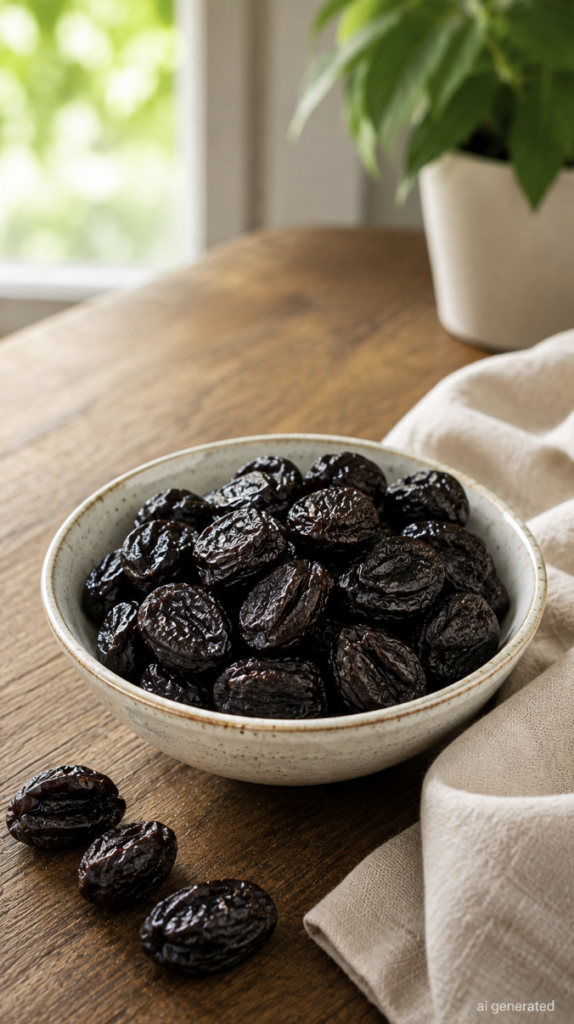
Why it may help: Prunes contain fiber and natural sorbitol, a sugar alcohol that can have a mild effect on bowel movements.
My personal experience: I avoided prunes for years because they reminded me of something my grandparents kept in the pantry. One particularly backed-up morning, I finally caved and added a few to my breakfast. They were honestly nowhere near as unpleasant as I remembered.
How I eat it: Chopped into oatmeal, or just a few on their own as a snack.
2. Kiwi
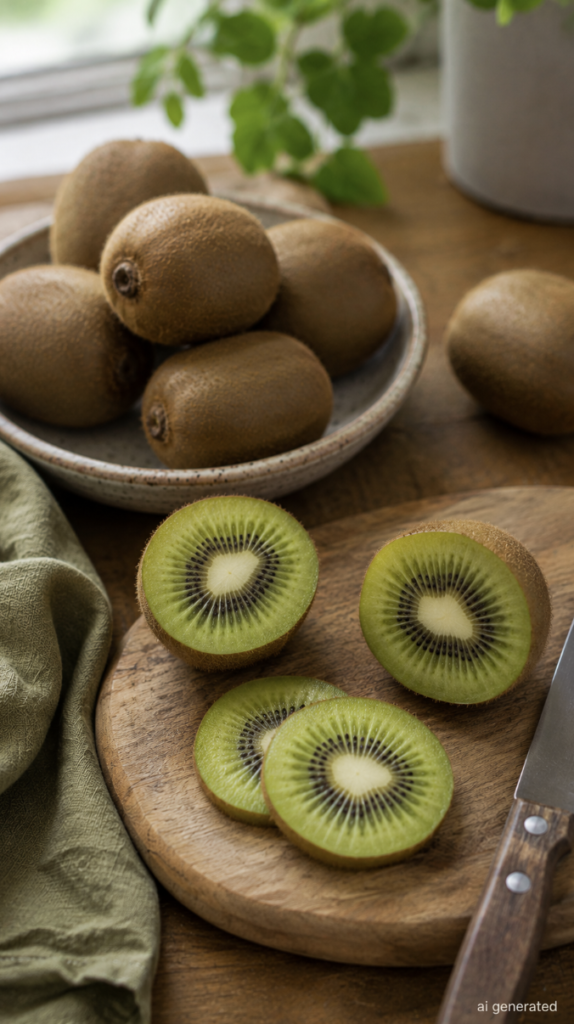
Why it may help: Kiwi contains fiber and is often discussed in relation to digestive regularity.
My personal experience: I started eating kiwi almost by accident — I had some sitting in the fridge and sliced it into my yogurt one morning just to use it up. It became a habit before I even realized it was doing anything for me.
How I eat it: Sliced over Greek yogurt or eaten plain, skin removed.
3. Pears
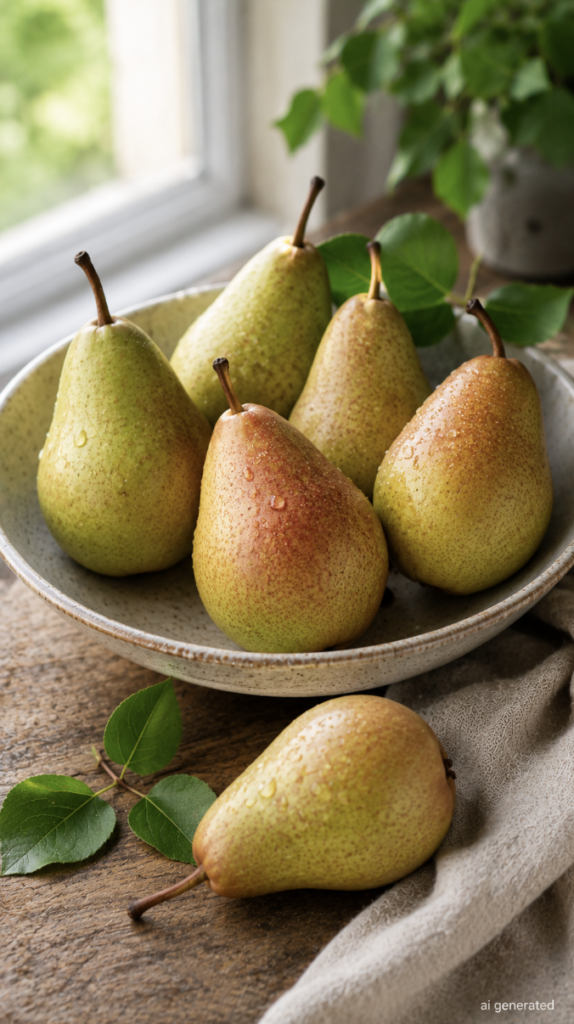
Why it may help: Pears are high in fiber and water content, especially when eaten with the skin on.
My personal experience: I used to peel every piece of fruit out of habit. Once I started leaving the skin on pears, I noticed they felt more filling and, honestly, I liked the texture more too.
How I eat it: Sliced as a snack, or added to a salad.
4. Apples
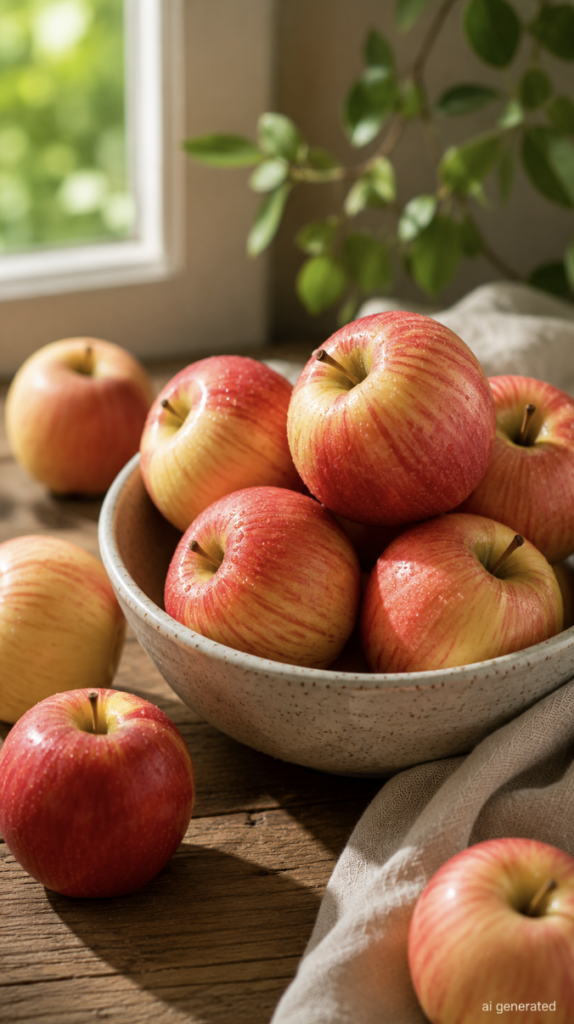
Why it may help: Like pears, apples contain fiber, particularly in the skin, along with a good amount of water.
My personal experience: This was probably the easiest one for me because I was already eating an apple most days. I just started leaving the skin on instead of peeling it.
How I eat it: Sliced with a bit of peanut butter, or on its own.
5. Oats
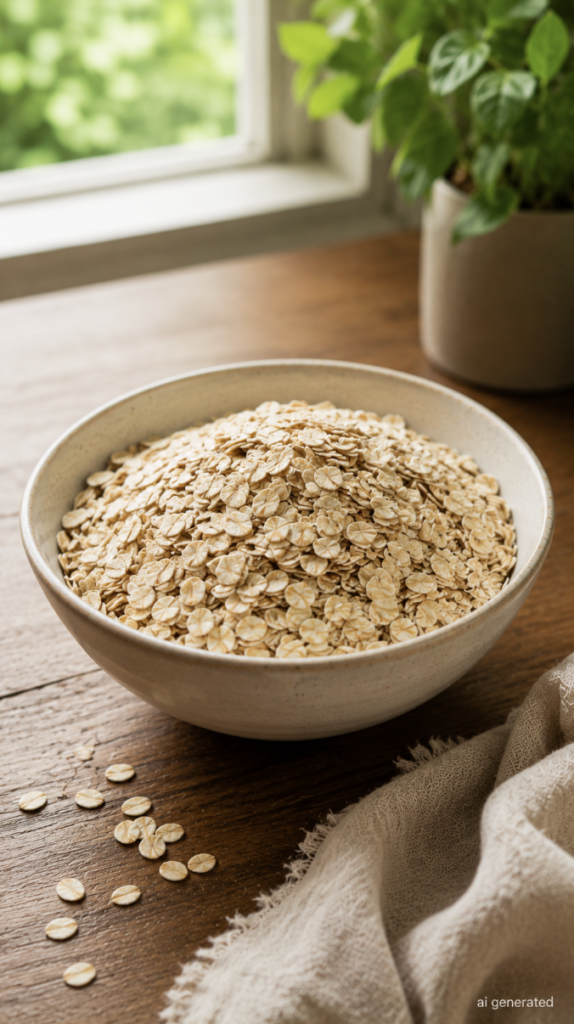
Why it may help: Oats contain fiber that can support digestion and are easy to build a meal around.
My personal experience: Oats became one of my easiest breakfast staples, mostly because I could add fruit, chia seeds, or flaxseed to the same bowl without really changing my routine at all.
How I eat it: A basic bowl of oatmeal topped with fruit.
6. Chia Seeds
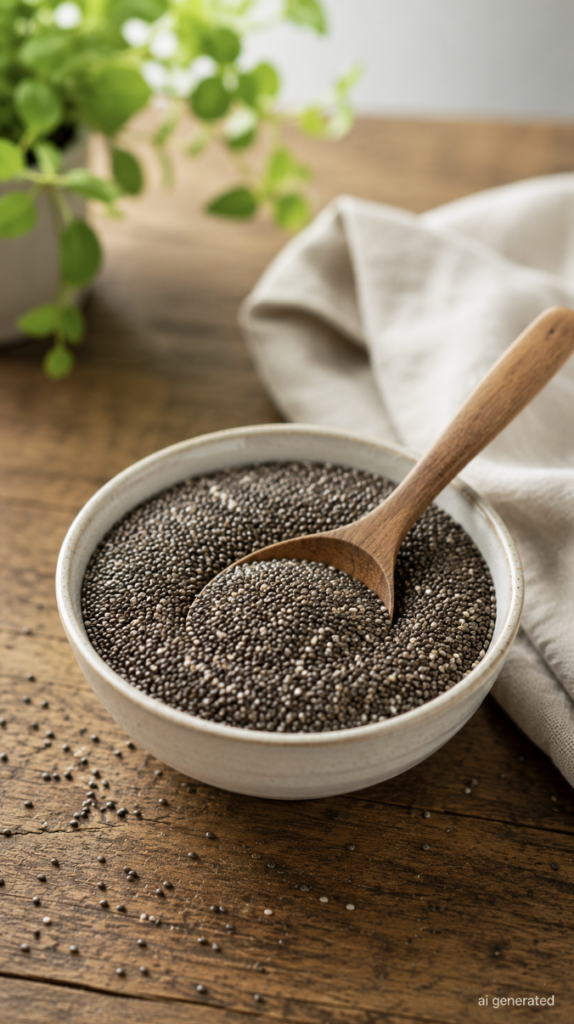
Why it may help: Chia seeds absorb liquid and expand, adding bulk and fiber.
My personal experience: I made the classic beginner mistake here. I figured “more fiber must be better” and dumped a huge spoonful into my smoothie one day. My stomach was not thrilled with that decision, and it taught me that going slowly matters.
How I eat it: A small spoonful stirred into yogurt or oatmeal.
7. Ground Flaxseed
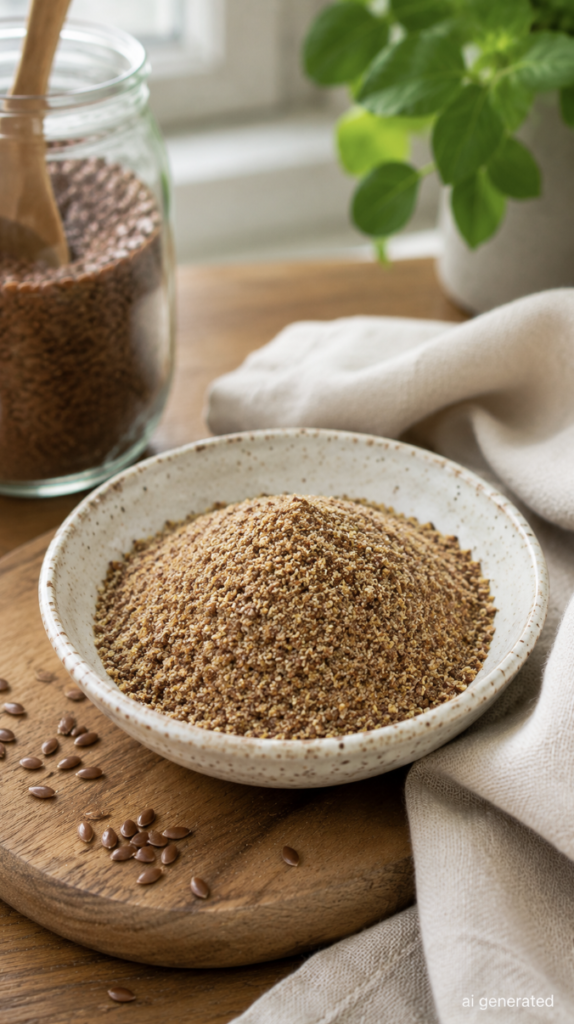
Why it may help: Flaxseed provides fiber and is easy to add to meals without changing the taste much.
My personal experience: I started buying flaxseed because a friend swore by it, and I’ll admit I didn’t notice much difference the first few times. It was really once I started using it consistently that I understood why she liked it so much.
How I eat it: A spoonful sprinkled over oatmeal or blended into a smoothie.
8. Raspberries
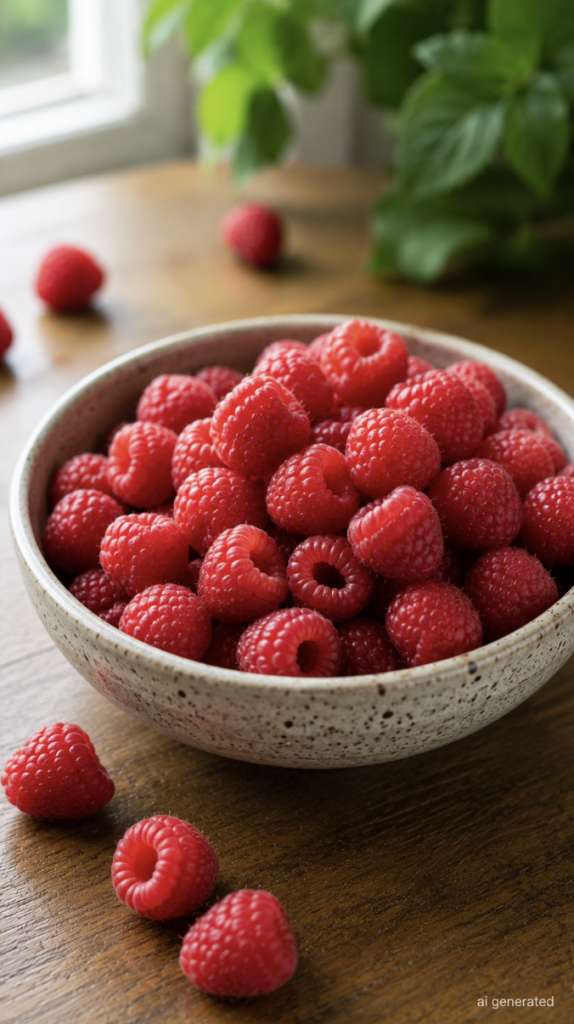
Why it may help: Raspberries are surprisingly high in fiber for how small they are.
My personal experience: I bought a container of raspberries one week purely because I wanted something sweet. It wasn’t until later that I actually looked up how much fiber they had and realized my “treat” was doing more than I expected.
How I eat it: Tossed into yogurt or eaten straight from the container.
9. Lentils
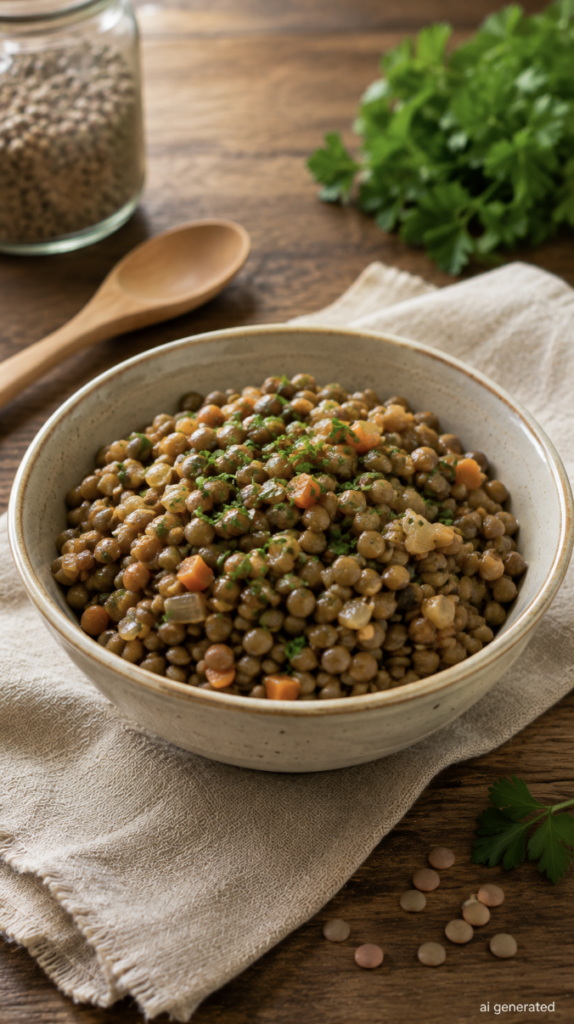
Why it may help: Lentils are a solid source of fiber, along with plant-based protein.
My personal experience: I once made a huge portion of lentil soup and ate way more than I probably should have in one sitting. I felt more bloated afterward, which taught me that easing into high-fiber foods makes more sense than diving in headfirst.
How I eat it: In soups, or stirred into rice bowls.
10. Beans
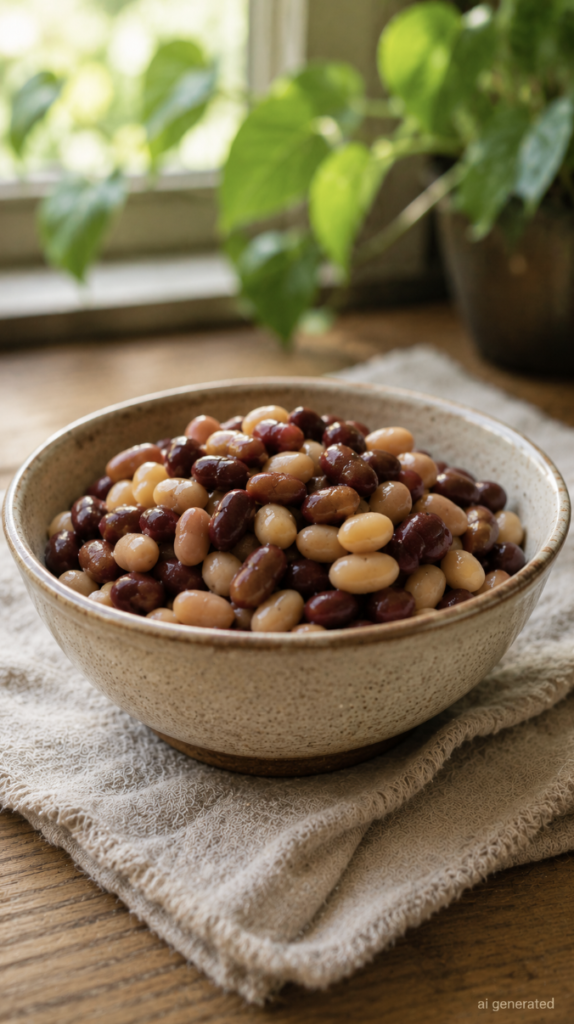
Why it may help: Similar to lentils, beans are fiber-rich and filling.
My personal experience: Beans were another “gradually, not all at once” lesson for me. I started with small portions mixed into other dishes rather than eating a full bowl by themselves.
How I eat it: Added to salads, tacos, or grain bowls.
11. Sweet Potatoes
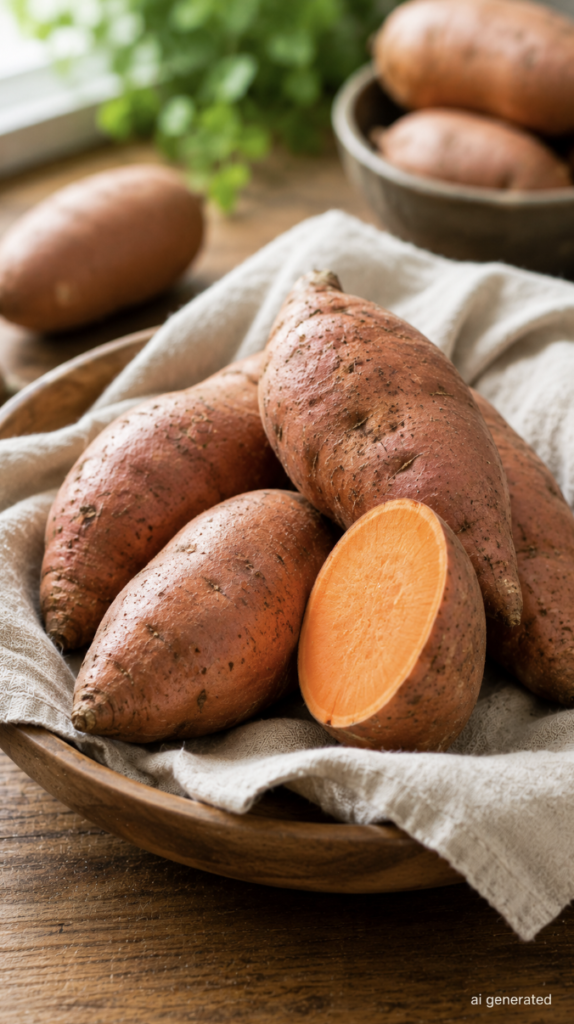
Why it may help: Sweet potatoes contain fiber along with a good amount of water.
My personal experience: These became a lazy-dinner staple for me — I could just roast one whole and call it a meal when I didn’t feel like cooking much else.
How I eat it: Roasted with a bit of olive oil and salt.
12. Avocado
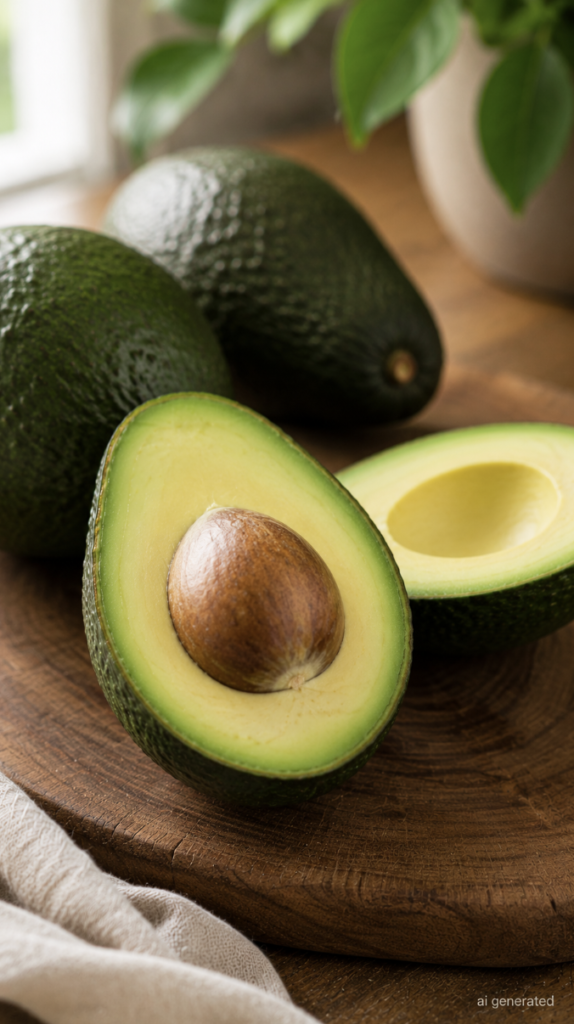
Why it may help: Avocado provides fiber along with healthy fats.
My personal experience: I started eating avocado regularly for the taste, not for any gut-health reason. It was only later that I connected it to the fiber list I’d been reading about.
How I eat it: On toast, or added to a lunch bowl.
13. Broccoli
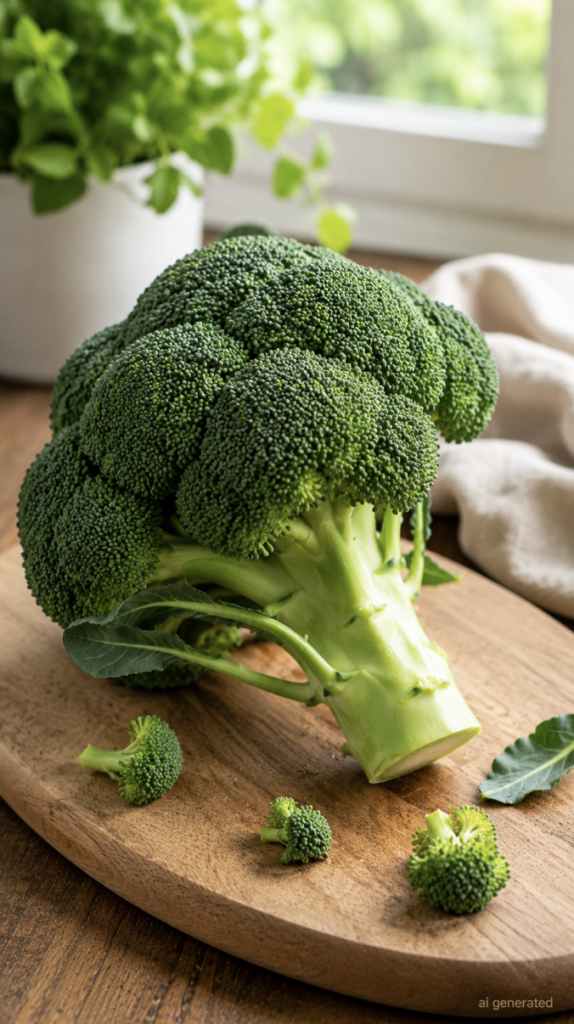
Why it may help: Broccoli offers fiber and water content, like many vegetables.
My personal experience: I used to only eat broccoli when it was drowning in cheese sauce. Roasting it with just olive oil and garlic changed my whole opinion of it.
How I eat it: Roasted at high heat until the edges get crispy.
14. Spinach
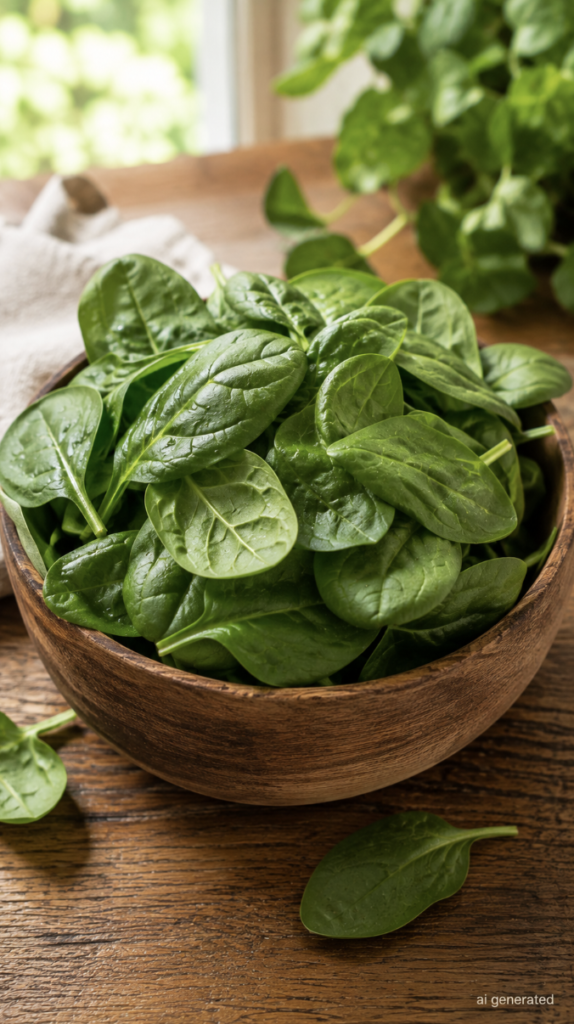
Why it may help: Leafy greens like spinach provide fiber and can be added to meals easily.
My personal experience: Spinach was the vegetable I could sneak into almost anything without really tasting it — smoothies, pasta, eggs — which made it an easy one to eat consistently.
How I eat it: Wilted into eggs or blended into a smoothie.
15. Yogurt or Kefir
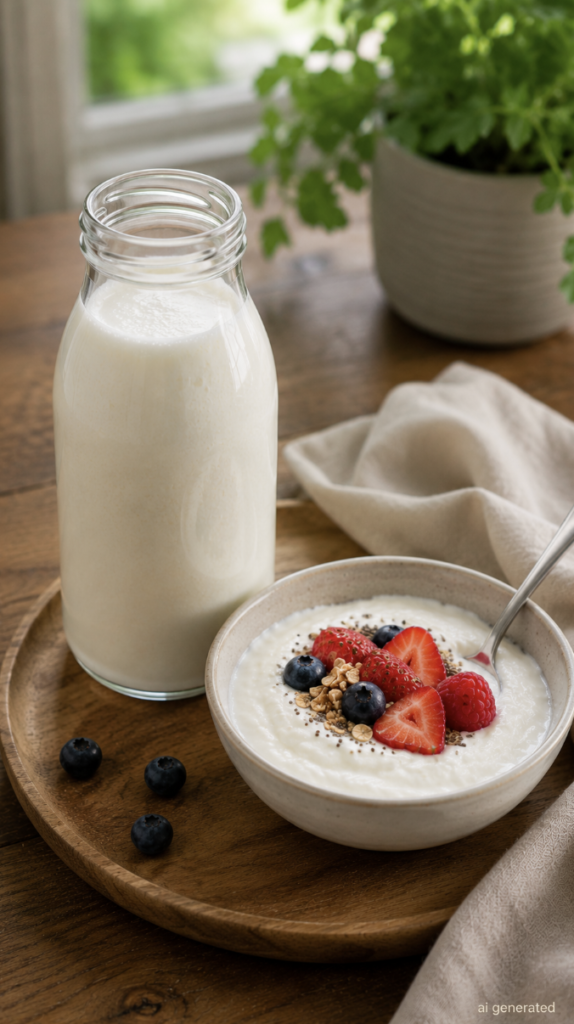
Why it may help: Fermented dairy products like yogurt and kefir often contain live cultures, which some people find helpful for digestion.
My personal experience: I started eating yogurt for breakfast mostly out of convenience, and it slowly became one of the more consistent parts of my routine.
How I eat it: With berries and a drizzle of honey, or blended into a smoothie.
One Thing I Learned About Fiber
One mistake I made early on was trying to change everything overnight. I thought, if fiber is good, I should just eat as much as possible, as fast as possible.
That backfired. Increasing fiber too quickly can cause gas, bloating, or general discomfort for some people, myself included. It also matters to drink enough fluids when you’re eating more fiber, since fiber and water tend to work together.
The lesson I personally took from this was simple: start gradually, and give your body time to adjust.
Other Foods That May Support Regularity
- Oranges – Easy to eat on their own, and they add water content along with fiber.
- Figs – Great chopped into oatmeal or eaten dried as a snack.
- Dates – A naturally sweet way to add fiber to smoothies or baked oats.
- Pumpkin – Works well roasted or stirred into oatmeal.
- Peas – Simple to add to rice, pasta, or soups.
- Barley – A hearty addition to soups or grain bowls.
- Whole-grain bread – An easy swap for white bread at any meal.
- Sauerkraut – A small spoonful alongside lunch or dinner.
- Artichokes – Steamed or roasted as a simple side dish.
- Berries – Any variety, tossed into yogurt or eaten on their own.
What I Personally Focus on Now
These days, I’ve stopped searching for one magical “constipation food.” Instead, I focus on the bigger picture:
- Eating enough fiber overall, not just one specific food
- Drinking enough fluids throughout the day
- Eating fruits and vegetables regularly, not just when things feel off
- Moving my body, even just a walk
- Not ignoring the urge to go when I feel it
- Giving new habits time to work instead of expecting instant results
None of these are dramatic changes. They’re just consistent, ordinary habits that added up over time.
When It’s Worth Talking to a Doctor
Occasional constipation is common, and food and lifestyle habits can often help. But if it becomes persistent, severe, or comes with symptoms like significant pain, blood in the stool, or unexplained weight loss, that’s genuinely worth bringing to a healthcare professional rather than trying to manage it alone.
Final Thoughts
I still think back to that morning in my kitchen, opening the fridge and hoping for one obvious answer. What I found instead was a whole list of ordinary foods that, together, made a real difference for me over time.
If you’re looking for more of the simple habits, recipes, and everyday tips I’ve picked up along the way, I’ve put them together in my free Gut Health Guide. It’s not about doing everything perfectly overnight — just small, practical things you can start trying today.
Leave a Reply