
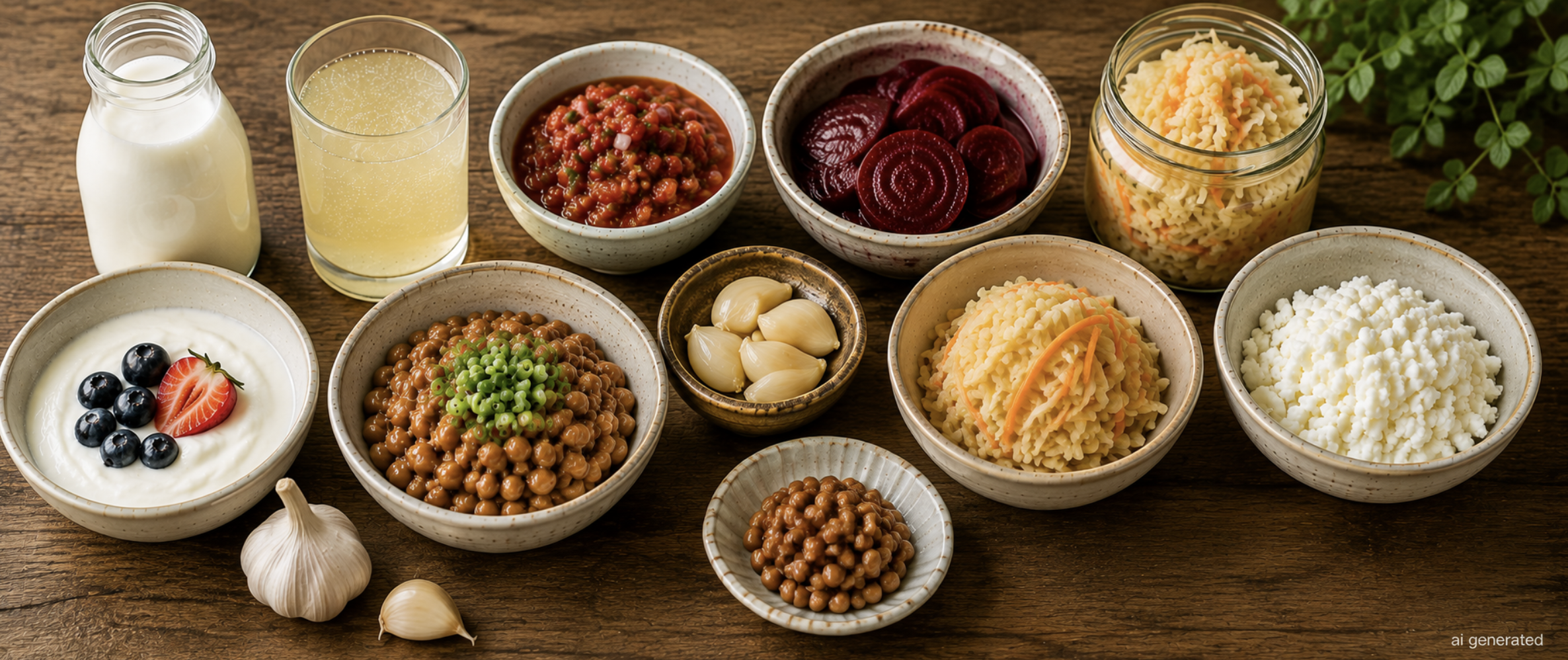
One evening, I was standing in front of my fridge after dinner, staring at a half-empty container of yogurt, wondering why “probiotics” seemed to show up in almost every gut-health article I’d been reading. I knew probiotics were supposedly connected to gut health somehow, but if you’d asked me to actually explain what they were, I would’ve stumbled through some vague answer.
I remember thinking, do I really need another supplement for this?
Then I started actually researching it, and I was surprised to learn that probiotics occur naturally in certain fermented foods, and some of those foods were already sitting in my kitchen. That made the whole topic feel a lot less intimidating.
Here’s the simple version: probiotics are live microorganisms found in certain fermented foods and products. Some strains may support the gut microbiome and digestive health. It’s also worth knowing that not every fermented food necessarily contains live probiotics by the time it reaches your plate — processing, pasteurization, and cooking can all play a role.
Over time, these were the 12 probiotic foods I experimented with and found easiest to incorporate into my own routine.
1. Greek Yogurt With Live Cultures
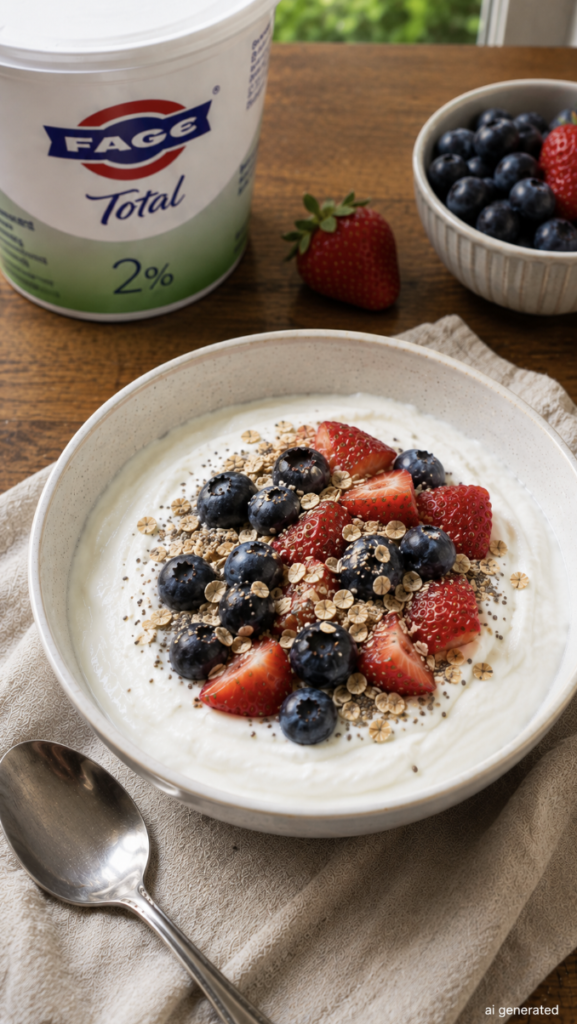
Yogurt was probably the easiest place for me to start, mostly because I was already eating it. I just became more intentional about actually reading the label to check for “live and active cultures” instead of assuming every yogurt qualified.
I like eating it with berries, oats, or a spoonful of chia seeds stirred in.
2. Kefir
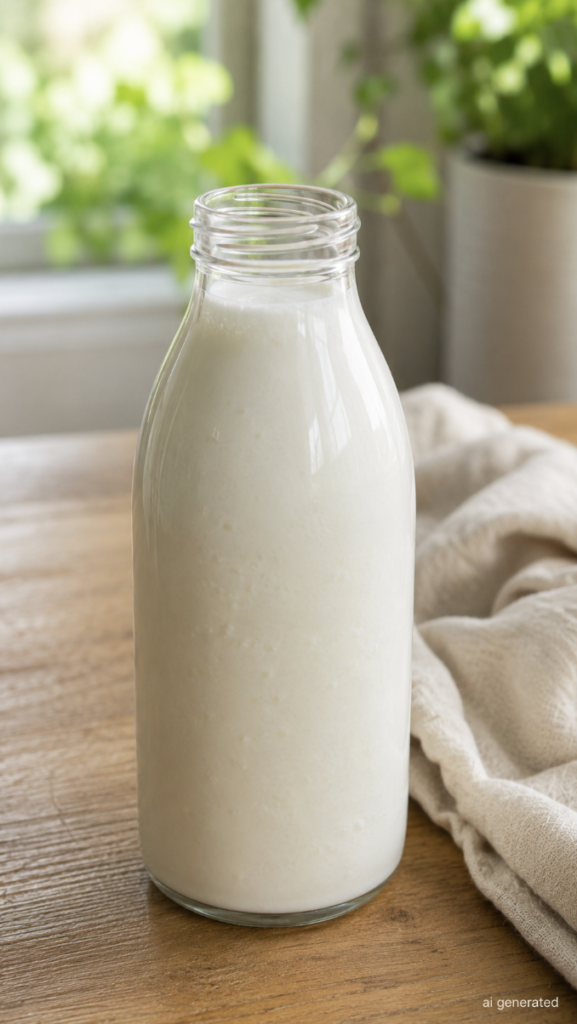
I walked past kefir in the supermarket for months before I finally bought a bottle. I honestly didn’t know what to do with it. Eventually I just started adding it to smoothies, and it became a small, easy habit rather than anything dramatic.
3. Sauerkraut
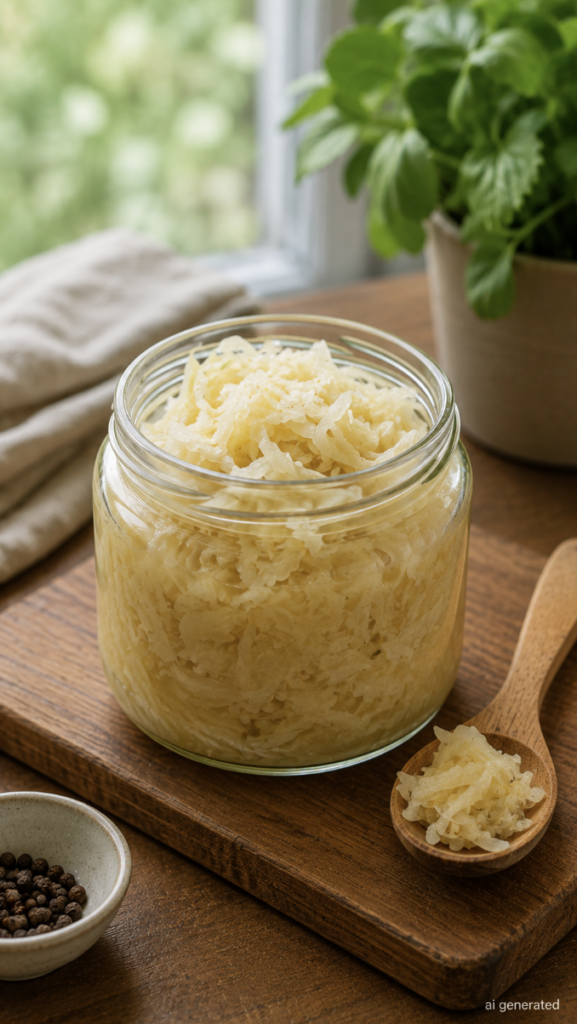
I genuinely thought sauerkraut was something I’d never eat regularly. Then I discovered that a small spoonful alongside lunch or dinner was much more approachable than the giant portions I’d pictured. One thing worth knowing: some shelf-stable jars are pasteurized, so if you’re specifically looking for live cultures, it’s worth checking the label.
4. Kimchi
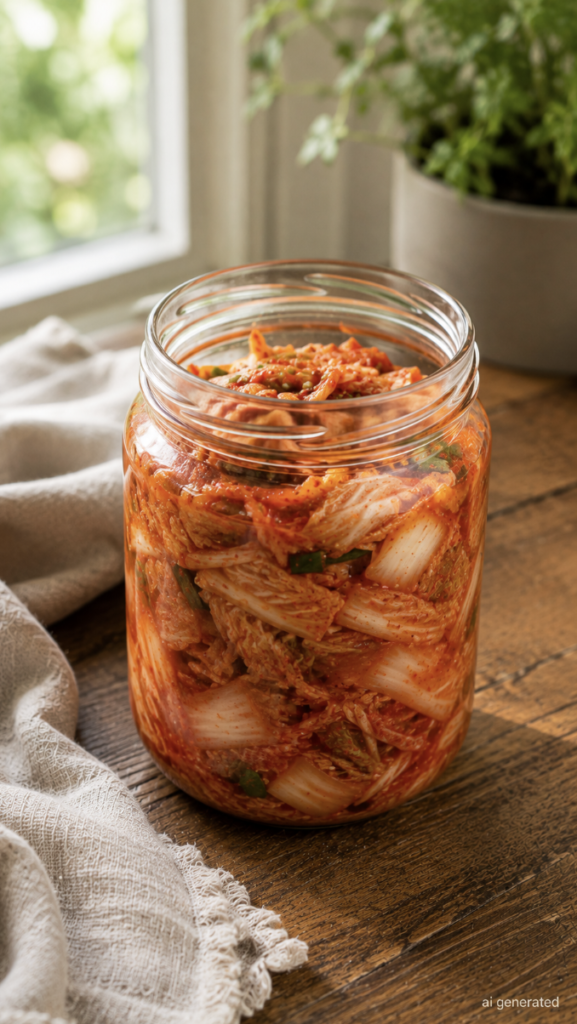
My first experience with kimchi involved piling way too much onto my plate because I assumed more was better. It was intense — spicier and stronger-smelling than I expected. I’ve since learned I prefer a smaller amount stirred into rice bowls or scrambled eggs.
5. Kombucha
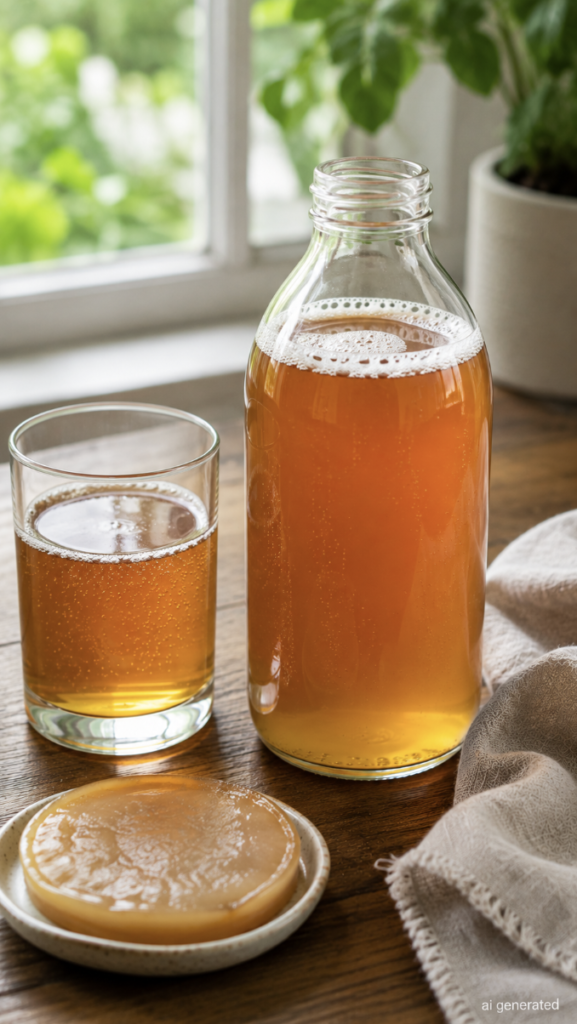
I expected kombucha to taste like some kind of fancy juice. It did not. That first sip was tangy and fizzy in a way that caught me off guard. Now I treat it as an occasional drink I enjoy, not some miracle health elixir. Worth noting: sugar and probiotic content can vary a lot between brands.
6. Miso
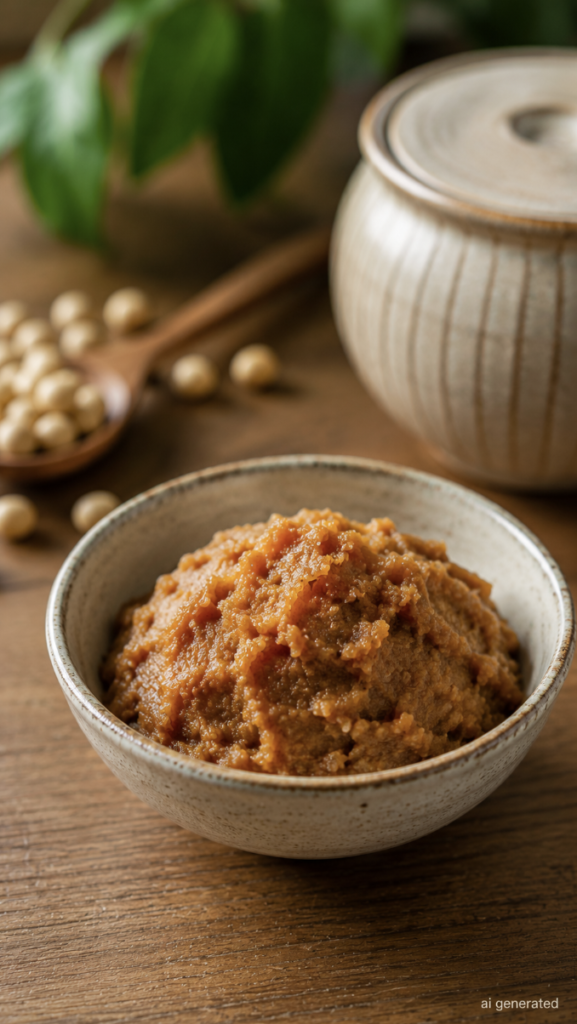
I found miso during a phase where I wanted something warm and savory instead of another yogurt-based breakfast. A simple miso soup, or a spoonful whisked into salad dressing, became my go-to. If you’re specifically after live cultures, keep in mind that very high heat during cooking can reduce them.
7. Tempeh
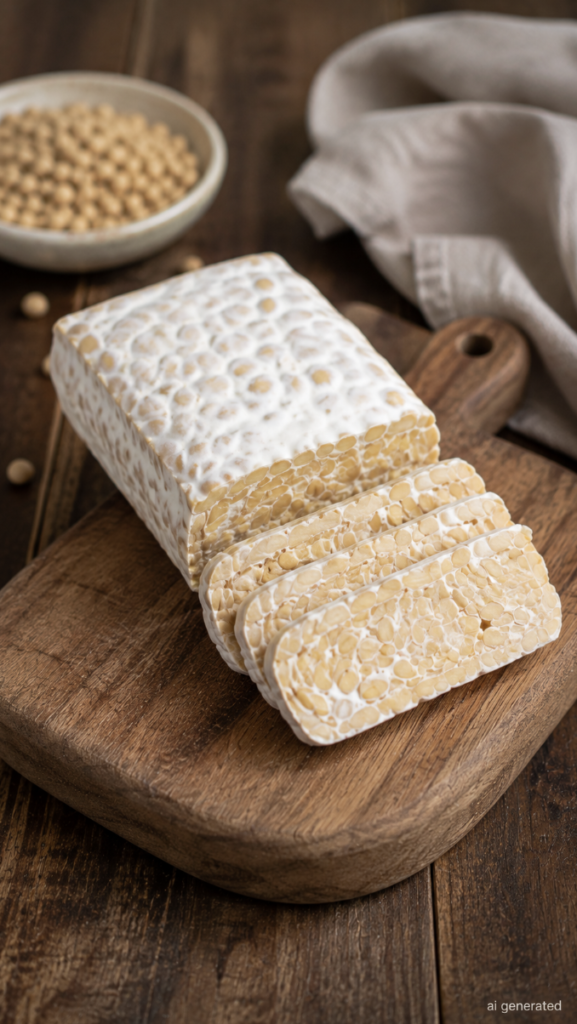
I opened my first package of tempeh with absolutely no idea what to do with it. It just sat there, this dense block, while I googled what on earth I was supposed to do next. Eventually I learned to slice and season it for stir-fries. Worth mentioning: cooking tempeh can reduce or eliminate live microorganisms, even though fermentation still changes the food itself.
8. Traditional Fermented Pickles
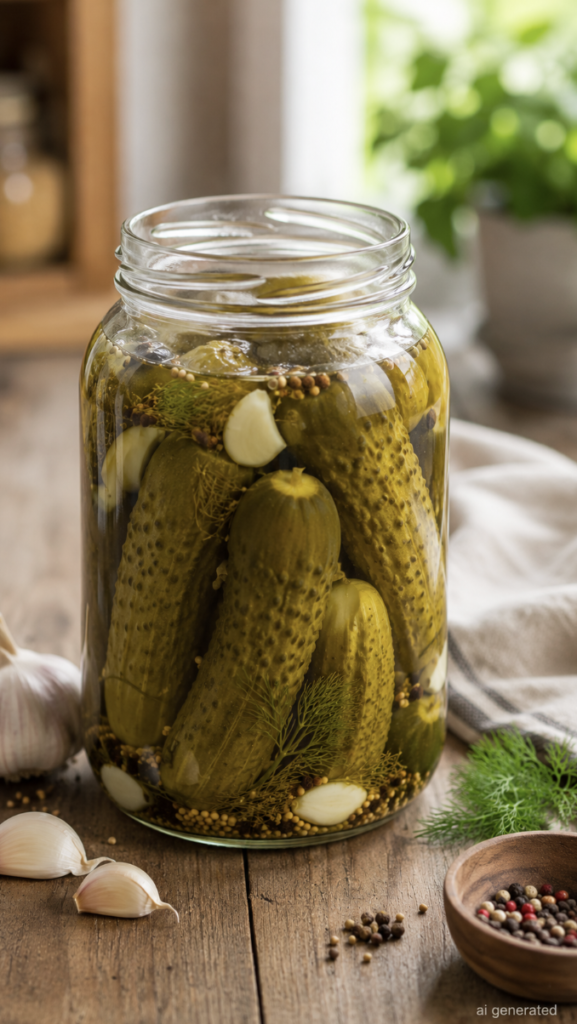
I used to assume every jar of pickles in the store was fermented. Turns out, most are actually made with vinegar rather than true fermentation. Now I check the label for words like “fermented” or “live cultures” rather than just grabbing whatever’s on the shelf.
9. Fermented Vegetables
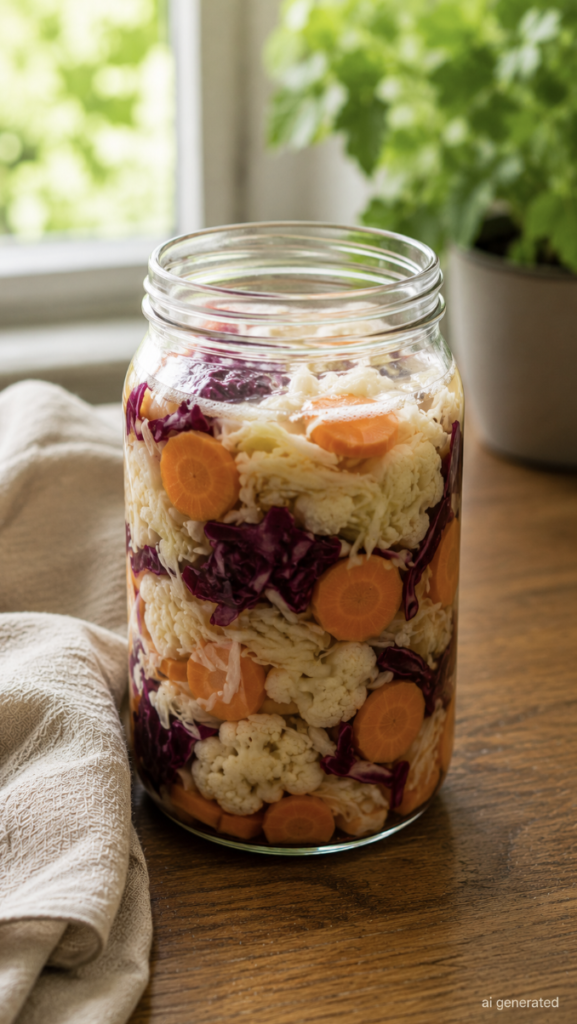
Carrots, cabbage, radishes, beets — vegetables fermented in a simple brine turned out to be far less complicated than I expected. Trying a jar at home showed me that fermentation didn’t require anything fancy. If you’re making these yourself, it’s worth following a tested recipe, since food safety matters here.
10. Cottage Cheese With Live Cultures
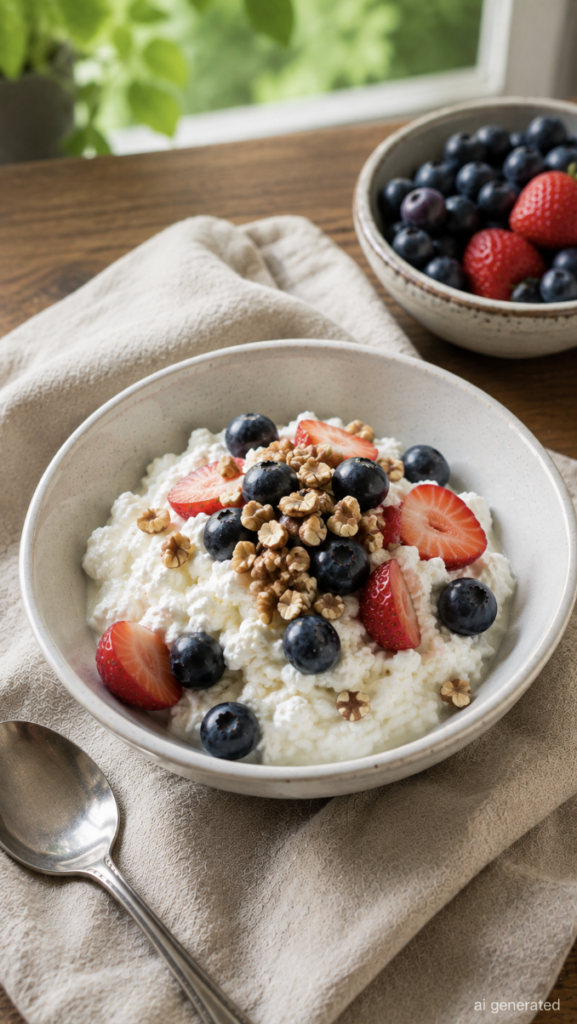
I didn’t realize cottage cheese could even have live cultures until I started actually reading labels one day in the dairy aisle. Now it’s part of my rotation — with fruit for something sweet, or in a savory bowl with vegetables.
11. Certain Traditionally Fermented Cheeses
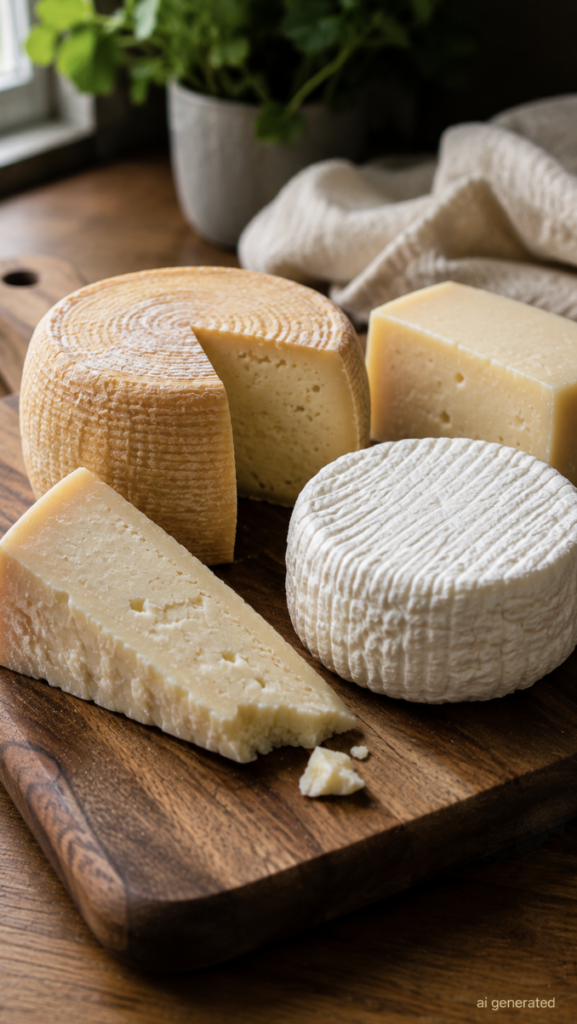
This one genuinely surprised me. I hadn’t considered that some traditionally made cheeses might contain live cultures, though it really depends on the cheese and how it’s processed. Not all cheese qualifies, so this is more of a “worth exploring” category than a rule.
12. Natto
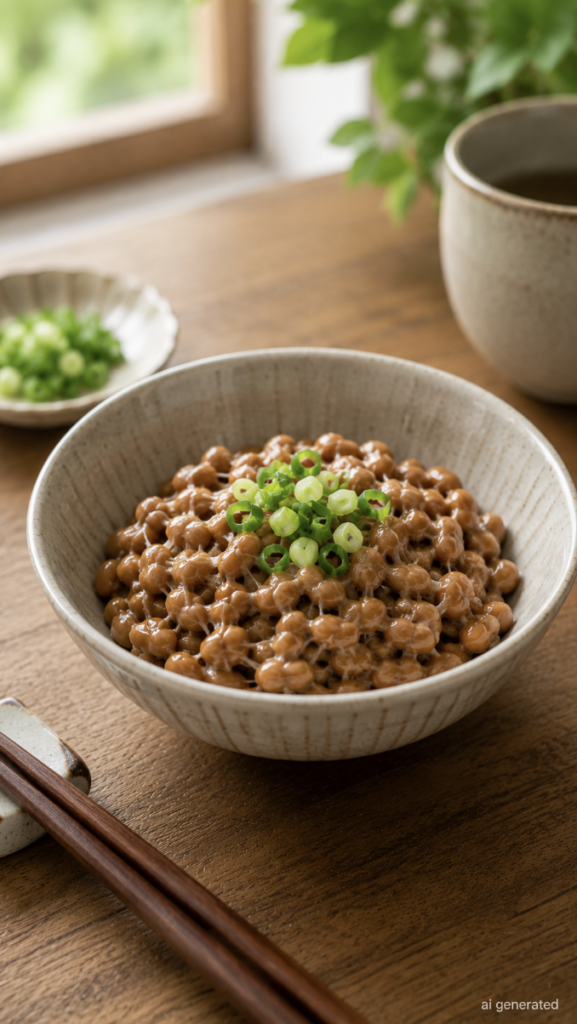
Okay, this one deserves its own little story. I opened a container of natto for the first time completely unprepared for the sticky, stringy texture and the strong smell that hit me immediately. I will be honest — it’s not for everyone, and it took me a few tries before I could say I actually liked it. I ended up eating it over rice with a little soy sauce and green onion.
How Did Probiotic Foods Affect Me Personally?
I didn’t wake up one morning feeling like a completely different person. My experience was much more gradual than that.
What actually happened was that I became more aware — of my digestion, of which foods I tolerated well, of portion sizes, of how different meals made me feel overall. Some of these probiotic foods became regular parts of my diet simply because I genuinely enjoyed them. Others, honestly, didn’t stick. I’m not a huge kombucha person, if I’m being fully transparent.
What I found more realistic than chasing one “perfect” probiotic food was building in some consistency and variety, rather than forcing myself to eat something just because the internet insisted it was healthy. This is just my personal experience, though — other people may respond differently.
Other Probiotic and Fermented Foods to Explore
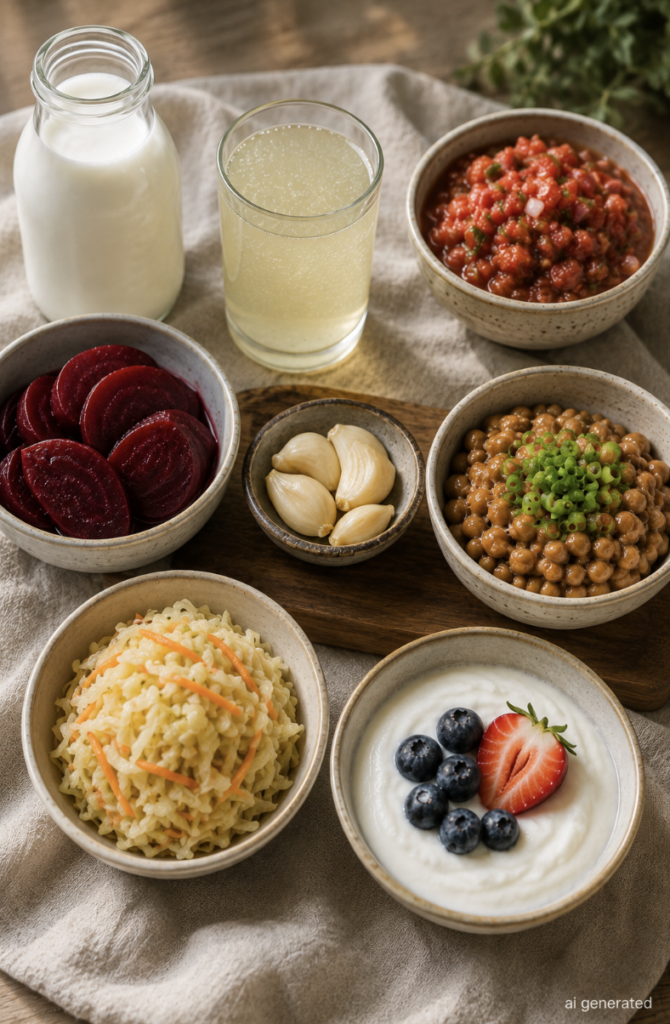
- Traditional buttermilk
- Water kefir
- Fermented salsa
- Fermented beetroot
- Fermented garlic
- Some fermented soy products
- Traditional fermented vegetables
- Certain cultured dairy products
Worth remembering: fermentation doesn’t automatically mean a finished product still contains live probiotic microorganisms.
What I Wish I Knew When I Started
When I first got interested in gut health, I genuinely thought I needed to buy every probiotic product on the shelf. I eventually landed on a much simpler approach:
- Start with foods you actually enjoy
- Introduce unfamiliar fermented foods gradually
- You don’t need huge portions
- Read labels when you’re specifically looking for live cultures
- Different people tolerate foods differently
- Gut health is bigger than probiotics alone — fiber, overall diet, hydration, sleep, and movement all matter too
Conclusion
I still think about that evening at the fridge, staring at that yogurt container, feeling like probiotics were just another complicated gut-health topic I needed to figure out.
Now I see it much more simply. For me, it became less about finding the “perfect” probiotic food and more about experimenting, paying attention to my own body, and keeping the foods that fit naturally into my life.
Free Gut Health Guide
While I was learning about my own digestion, I started collecting the practical things along the way — foods, simple habits, recipes, mistakes, little changes that actually felt realistic in everyday life. I eventually put all of that together in my free Gut Health Guide.
It includes my personal gut-health experiences and lessons, simple gut-friendly food ideas, easy everyday habits, beginner-friendly tips, and a selection of free recipes.
If you’re where I was at the beginning — interested in your gut health but a little overwhelmed by all the information online — I put everything I wish I’d understood sooner into my free Gut Health Guide. You can grab it here.
Leave a Reply